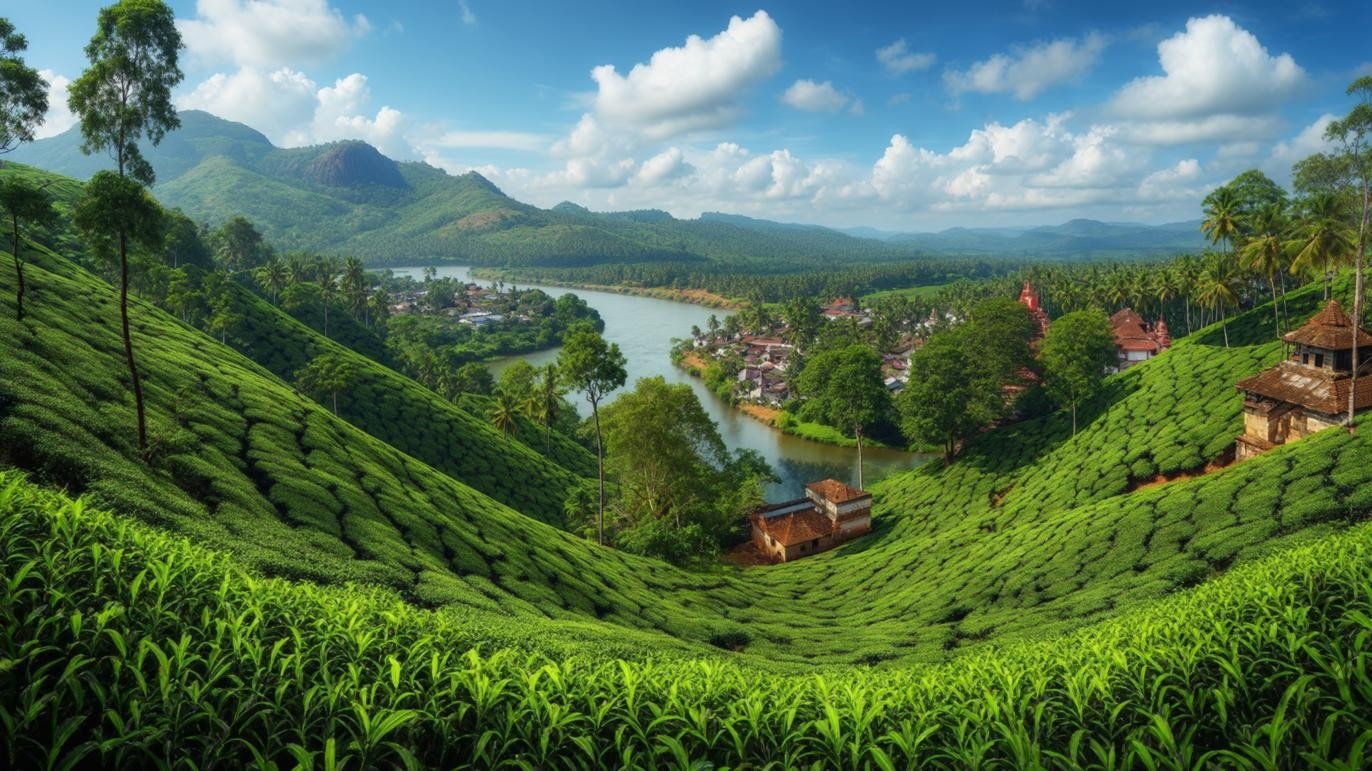
Kurunegala, a vibrant city in Sri Lanka’s North Western Province, serves as the capital and a key economic hub. Nestled amidst lush greenery and surrounded by iconic rock formations, it blends historical significance, cultural richness, and modern development. Known as "Hasthirajapura" (City of the Elephant) in ancient times, Kurunegala’s heritage is deeply rooted in its role as a royal capital during the 13th and 14th centuries.

Kurunegala was a prominent seat of power for Sinhalese kings, including King Buwanekabahu II and King Parakramabahu IV, who ruled during the Kurunegala period (1293–1341). The city’s ancient rock citadels, such as Yapahuwa and Panduwasnuwara, bear testament to its royal past. These sites, adorned with ruins of palaces and temples, attract historians and tourists alike.

The city is famously framed by eight large rock outcrops, each with distinct names like Elephant Rock (Ethugala), Ibbagala (Tortoise Rock), and Athugala, the most prominent. Athugala, rising 325 meters, offers panoramic views and is home to a large Buddha statue, a key spiritual and tourist site. The Kurunegala Lake, a man-made reservoir, adds scenic beauty and supports local agriculture.

Kurunegala is a melting pot of Sinhalese, Tamil, and Muslim communities, fostering a rich cultural tapestry. Festivals like Vesak and Poson illuminate the city with lanterns and religious observances, while the annual Esala Perahera showcases traditional dance and music. The city’s markets, such as the Kurunegala Central Market, buzz with activity, offering local produce, spices, and handicrafts.

Tourists are drawn to Kurunegala’s natural and historical sites. Key attractions include:

Ethugala Buddha Statue: A serene landmark atop Elephant Rock.
Yapahuwa Rock Fortress: A 13th-century stronghold with intricate stone carvings.
Ridi Viharaya: A historic Buddhist temple with ancient paintings and relics.
Panduwasnuwara: An archaeological site with remnants of a royal palace.

Kurunegala’s blend of history, culture, and natural beauty makes it a compelling destination for travelers and a dynamic home for its residents. Whether exploring ancient ruins or enjoying modern conveniences, the city offers a unique glimpse into Sri Lanka’s heart.


image

Kurunegala, a vibrant city in Sri Lanka’s North Western Province, serves as the capital and a key economic hub. Nestled amidst lush greenery and surrounded by iconic rock formations, it blends historical significance, cultural richness, and modern development. Known as "Hasthirajapura" (City of the Elephant) in ancient times, Kurunegala’s heritage is deeply rooted in its role as a royal capital during the 13th and 14th centuries.

Kurunegala was a prominent seat of power for Sinhalese kings, including King Buwanekabahu II and King Parakramabahu IV, who ruled during the Kurunegala period (1293–1341). The city’s ancient rock citadels, such as Yapahuwa and Panduwasnuwara, bear testament to its royal past. These sites, adorned with ruins of palaces and temples, attract historians and tourists alike.

The city is famously framed by eight large rock outcrops, each with distinct names like Elephant Rock (Ethugala), Ibbagala (Tortoise Rock), and Athugala, the most prominent. Athugala, rising 325 meters, offers panoramic views and is home to a large Buddha statue, a key spiritual and tourist site. The Kurunegala Lake, a man-made reservoir, adds scenic beauty and supports local agriculture.

Kurunegala is a melting pot of Sinhalese, Tamil, and Muslim communities, fostering a rich cultural tapestry. Festivals like Vesak and Poson illuminate the city with lanterns and religious observances, while the annual Esala Perahera showcases traditional dance and music. The city’s markets, such as the Kurunegala Central Market, buzz with activity, offering local produce, spices, and handicrafts.

Tourists are drawn to Kurunegala’s natural and historical sites. Key attractions include:

Ethugala Buddha Statue: A serene landmark atop Elephant Rock.
Yapahuwa Rock Fortress: A 13th-century stronghold with intricate stone carvings.
Ridi Viharaya: A historic Buddhist temple with ancient paintings and relics.
Panduwasnuwara: An archaeological site with remnants of a royal palace.

Kurunegala’s blend of history, culture, and natural beauty makes it a compelling destination for travelers and a dynamic home for its residents. Whether exploring ancient ruins or enjoying modern conveniences, the city offers a unique glimpse into Sri Lanka’s heart.

image

Kurunegala, a vibrant city in Sri Lanka’s North Western Province, serves as the capital and a key economic hub. Nestled amidst lush greenery and surrounded by iconic rock formations, it blends historical significance, cultural richness, and modern development. Known as "Hasthirajapura" (City of the Elephant) in ancient times, Kurunegala’s heritage is deeply rooted in its role as a royal capital during the 13th and 14th centuries.

Kurunegala was a prominent seat of power for Sinhalese kings, including King Buwanekabahu II and King Parakramabahu IV, who ruled during the Kurunegala period (1293–1341). The city’s ancient rock citadels, such as Yapahuwa and Panduwasnuwara, bear testament to its royal past. These sites, adorned with ruins of palaces and temples, attract historians and tourists alike.

The city is famously framed by eight large rock outcrops, each with distinct names like Elephant Rock (Ethugala), Ibbagala (Tortoise Rock), and Athugala, the most prominent. Athugala, rising 325 meters, offers panoramic views and is home to a large Buddha statue, a key spiritual and tourist site. The Kurunegala Lake, a man-made reservoir, adds scenic beauty and supports local agriculture.

Kurunegala is a melting pot of Sinhalese, Tamil, and Muslim communities, fostering a rich cultural tapestry. Festivals like Vesak and Poson illuminate the city with lanterns and religious observances, while the annual Esala Perahera showcases traditional dance and music. The city’s markets, such as the Kurunegala Central Market, buzz with activity, offering local produce, spices, and handicrafts.

Tourists are drawn to Kurunegala’s natural and historical sites. Key attractions include:

Ethugala Buddha Statue: A serene landmark atop Elephant Rock.
Yapahuwa Rock Fortress: A 13th-century stronghold with intricate stone carvings.
Ridi Viharaya: A historic Buddhist temple with ancient paintings and relics.
Panduwasnuwara: An archaeological site with remnants of a royal palace.

Kurunegala’s blend of history, culture, and natural beauty makes it a compelling destination for travelers and a dynamic home for its residents. Whether exploring ancient ruins or enjoying modern conveniences, the city offers a unique glimpse into Sri Lanka’s heart.

image
image
image

Kegalle, a picturesque town in Sri Lanka’s Sabaragamuwa Province, serves as the administrative capital of Kegalle District. Located approximately 78 km east of Colombo, it lies at the edge of the central highlands, offering a blend of lush greenery, historical significance, and vibrant local culture. Known as the gateway to the hill country, Kegalle is a hub for agriculture, history, and natural attractions, making it a compelling destination for visitors and a vital center for locals.

Kegalle boasts a rich historical legacy, with ties to Sri Lanka’s ancient kingdoms and colonial past. The town was part of the Kandyan Kingdom, a stronghold of Sinhalese culture and resistance against colonial powers. During the Portuguese, Dutch, and British colonial periods, Kegalle was strategically important due to its proximity to Kandy, the last royal capital. Historical sites, including ancient temples and colonial-era structures, reflect this layered past. The region also played a role in the 1818 Uva-Wellassa Rebellion against British rule, with local leaders contributing to the resistance.

Kegalle is predominantly Sinhalese, with significant Tamil, Muslim, and other communities contributing to its cultural diversity. The town is home to several religious sites:

Aluthnuwara Dedimunda Devalaya: A historic temple dedicated to the deity Dedimunda, revered in local folklore and visited during festivals.
Pothgul Maliga Viharaya: An ancient Buddhist temple with cave inscriptions and historical artifacts, reflecting Kegalle’s spiritual heritage.
Mosques and Kovils: The town’s Muslim and Hindu communities maintain mosques and temples, such as the Kegalle Jumma Mosque and local kovils, which host vibrant religious celebrations.

Cultural events, including the Sinhala and Tamil New Year and Esala Perahera-style processions, highlight Kegalle’s traditions, with music, dance, and community gatherings.

Kegalle offers a range of attractions for visitors:

Pinnawala Elephant Orphanage: A major draw, where tourists can observe elephants and learn about conservation efforts.
Bibila Rock (Bathalegala): A prominent rock outcrop with a Buddhist monastery at its summit, offering panoramic views and a hiking experience.
Utuwankanda: A historical site linked to the legendary outlaw Saradiel, known as the “Robin Hood of Sri Lanka,” with caves and scenic trails.

Adventure seekers can explore hiking trails, while food enthusiasts enjoy local dishes like rice and curry, jackfruit-based meals, and sweets made from kithul (palm) treacle.

Kegalle enjoys a tropical climate with warm temperatures (24°C to 31°C) and two main seasons: the dry season (March to August) and the wet season (September to February). The region’s lush environment and cooler hill areas create a pleasant atmosphere. Residents lead a community-oriented lifestyle, with strong ties to agriculture and cultural traditions, known for their hospitality and pride in their heritage.

Kegalle is a charming blend of history, nature, and culture, offering a window into Sri Lanka’s hill country heritage. From the iconic Pinnawala Elephant Orphanage to its lush plantations and ancient temples, the town captivates visitors with its serene beauty and rich traditions. As Kegalle continues to grow, it remains a vital link between Sri Lanka’s past and its promising future, inviting all to explore its unique allure.

image

Kegalle, a picturesque town in Sri Lanka’s Sabaragamuwa Province, serves as the administrative capital of Kegalle District. Located approximately 78 km east of Colombo, it lies at the edge of the central highlands, offering a blend of lush greenery, historical significance, and vibrant local culture. Known as the gateway to the hill country, Kegalle is a hub for agriculture, history, and natural attractions, making it a compelling destination for visitors and a vital center for locals.

Kegalle boasts a rich historical legacy, with ties to Sri Lanka’s ancient kingdoms and colonial past. The town was part of the Kandyan Kingdom, a stronghold of Sinhalese culture and resistance against colonial powers. During the Portuguese, Dutch, and British colonial periods, Kegalle was strategically important due to its proximity to Kandy, the last royal capital. Historical sites, including ancient temples and colonial-era structures, reflect this layered past. The region also played a role in the 1818 Uva-Wellassa Rebellion against British rule, with local leaders contributing to the resistance.

Kegalle is predominantly Sinhalese, with significant Tamil, Muslim, and other communities contributing to its cultural diversity. The town is home to several religious sites:

Aluthnuwara Dedimunda Devalaya: A historic temple dedicated to the deity Dedimunda, revered in local folklore and visited during festivals.
Pothgul Maliga Viharaya: An ancient Buddhist temple with cave inscriptions and historical artifacts, reflecting Kegalle’s spiritual heritage.
Mosques and Kovils: The town’s Muslim and Hindu communities maintain mosques and temples, such as the Kegalle Jumma Mosque and local kovils, which host vibrant religious celebrations.

Cultural events, including the Sinhala and Tamil New Year and Esala Perahera-style processions, highlight Kegalle’s traditions, with music, dance, and community gatherings.

Kegalle offers a range of attractions for visitors:

Pinnawala Elephant Orphanage: A major draw, where tourists can observe elephants and learn about conservation efforts.
Bibila Rock (Bathalegala): A prominent rock outcrop with a Buddhist monastery at its summit, offering panoramic views and a hiking experience.
Utuwankanda: A historical site linked to the legendary outlaw Saradiel, known as the “Robin Hood of Sri Lanka,” with caves and scenic trails.

Adventure seekers can explore hiking trails, while food enthusiasts enjoy local dishes like rice and curry, jackfruit-based meals, and sweets made from kithul (palm) treacle.

Kegalle enjoys a tropical climate with warm temperatures (24°C to 31°C) and two main seasons: the dry season (March to August) and the wet season (September to February). The region’s lush environment and cooler hill areas create a pleasant atmosphere. Residents lead a community-oriented lifestyle, with strong ties to agriculture and cultural traditions, known for their hospitality and pride in their heritage.

Kegalle is a charming blend of history, nature, and culture, offering a window into Sri Lanka’s hill country heritage. From the iconic Pinnawala Elephant Orphanage to its lush plantations and ancient temples, the town captivates visitors with its serene beauty and rich traditions. As Kegalle continues to grow, it remains a vital link between Sri Lanka’s past and its promising future, inviting all to explore its unique allure.

image

Kegalle, a picturesque town in Sri Lanka’s Sabaragamuwa Province, serves as the administrative capital of Kegalle District. Located approximately 78 km east of Colombo, it lies at the edge of the central highlands, offering a blend of lush greenery, historical significance, and vibrant local culture. Known as the gateway to the hill country, Kegalle is a hub for agriculture, history, and natural attractions, making it a compelling destination for visitors and a vital center for locals.

Kegalle boasts a rich historical legacy, with ties to Sri Lanka’s ancient kingdoms and colonial past. The town was part of the Kandyan Kingdom, a stronghold of Sinhalese culture and resistance against colonial powers. During the Portuguese, Dutch, and British colonial periods, Kegalle was strategically important due to its proximity to Kandy, the last royal capital. Historical sites, including ancient temples and colonial-era structures, reflect this layered past. The region also played a role in the 1818 Uva-Wellassa Rebellion against British rule, with local leaders contributing to the resistance.

Kegalle is predominantly Sinhalese, with significant Tamil, Muslim, and other communities contributing to its cultural diversity. The town is home to several religious sites:

Aluthnuwara Dedimunda Devalaya: A historic temple dedicated to the deity Dedimunda, revered in local folklore and visited during festivals.
Pothgul Maliga Viharaya: An ancient Buddhist temple with cave inscriptions and historical artifacts, reflecting Kegalle’s spiritual heritage.
Mosques and Kovils: The town’s Muslim and Hindu communities maintain mosques and temples, such as the Kegalle Jumma Mosque and local kovils, which host vibrant religious celebrations.

Cultural events, including the Sinhala and Tamil New Year and Esala Perahera-style processions, highlight Kegalle’s traditions, with music, dance, and community gatherings.

Kegalle offers a range of attractions for visitors:

Pinnawala Elephant Orphanage: A major draw, where tourists can observe elephants and learn about conservation efforts.
Bibila Rock (Bathalegala): A prominent rock outcrop with a Buddhist monastery at its summit, offering panoramic views and a hiking experience.
Utuwankanda: A historical site linked to the legendary outlaw Saradiel, known as the “Robin Hood of Sri Lanka,” with caves and scenic trails.

Adventure seekers can explore hiking trails, while food enthusiasts enjoy local dishes like rice and curry, jackfruit-based meals, and sweets made from kithul (palm) treacle.

Kegalle enjoys a tropical climate with warm temperatures (24°C to 31°C) and two main seasons: the dry season (March to August) and the wet season (September to February). The region’s lush environment and cooler hill areas create a pleasant atmosphere. Residents lead a community-oriented lifestyle, with strong ties to agriculture and cultural traditions, known for their hospitality and pride in their heritage.

Kegalle is a charming blend of history, nature, and culture, offering a window into Sri Lanka’s hill country heritage. From the iconic Pinnawala Elephant Orphanage to its lush plantations and ancient temples, the town captivates visitors with its serene beauty and rich traditions. As Kegalle continues to grow, it remains a vital link between Sri Lanka’s past and its promising future, inviting all to explore its unique allure.

image

Kegalle, a picturesque town in Sri Lanka’s Sabaragamuwa Province, serves as the administrative capital of Kegalle District. Located approximately 78 km east of Colombo, it lies at the edge of the central highlands, offering a blend of lush greenery, historical significance, and vibrant local culture. Known as the gateway to the hill country, Kegalle is a hub for agriculture, history, and natural attractions, making it a compelling destination for visitors and a vital center for locals.

Kegalle boasts a rich historical legacy, with ties to Sri Lanka’s ancient kingdoms and colonial past. The town was part of the Kandyan Kingdom, a stronghold of Sinhalese culture and resistance against colonial powers. During the Portuguese, Dutch, and British colonial periods, Kegalle was strategically important due to its proximity to Kandy, the last royal capital. Historical sites, including ancient temples and colonial-era structures, reflect this layered past. The region also played a role in the 1818 Uva-Wellassa Rebellion against British rule, with local leaders contributing to the resistance.

Kegalle is predominantly Sinhalese, with significant Tamil, Muslim, and other communities contributing to its cultural diversity. The town is home to several religious sites:

Aluthnuwara Dedimunda Devalaya: A historic temple dedicated to the deity Dedimunda, revered in local folklore and visited during festivals.
Pothgul Maliga Viharaya: An ancient Buddhist temple with cave inscriptions and historical artifacts, reflecting Kegalle’s spiritual heritage.
Mosques and Kovils: The town’s Muslim and Hindu communities maintain mosques and temples, such as the Kegalle Jumma Mosque and local kovils, which host vibrant religious celebrations.

Cultural events, including the Sinhala and Tamil New Year and Esala Perahera-style processions, highlight Kegalle’s traditions, with music, dance, and community gatherings.

Kegalle offers a range of attractions for visitors:

Pinnawala Elephant Orphanage: A major draw, where tourists can observe elephants and learn about conservation efforts.
Bibila Rock (Bathalegala): A prominent rock outcrop with a Buddhist monastery at its summit, offering panoramic views and a hiking experience.
Utuwankanda: A historical site linked to the legendary outlaw Saradiel, known as the “Robin Hood of Sri Lanka,” with caves and scenic trails.

Adventure seekers can explore hiking trails, while food enthusiasts enjoy local dishes like rice and curry, jackfruit-based meals, and sweets made from kithul (palm) treacle.

Kegalle enjoys a tropical climate with warm temperatures (24°C to 31°C) and two main seasons: the dry season (March to August) and the wet season (September to February). The region’s lush environment and cooler hill areas create a pleasant atmosphere. Residents lead a community-oriented lifestyle, with strong ties to agriculture and cultural traditions, known for their hospitality and pride in their heritage.

Kegalle is a charming blend of history, nature, and culture, offering a window into Sri Lanka’s hill country heritage. From the iconic Pinnawala Elephant Orphanage to its lush plantations and ancient temples, the town captivates visitors with its serene beauty and rich traditions. As Kegalle continues to grow, it remains a vital link between Sri Lanka’s past and its promising future, inviting all to explore its unique allure.

image

Kegalle, a picturesque town in Sri Lanka’s Sabaragamuwa Province, serves as the administrative capital of Kegalle District. Located approximately 78 km east of Colombo, it lies at the edge of the central highlands, offering a blend of lush greenery, historical significance, and vibrant local culture. Known as the gateway to the hill country, Kegalle is a hub for agriculture, history, and natural attractions, making it a compelling destination for visitors and a vital center for locals.

Kegalle boasts a rich historical legacy, with ties to Sri Lanka’s ancient kingdoms and colonial past. The town was part of the Kandyan Kingdom, a stronghold of Sinhalese culture and resistance against colonial powers. During the Portuguese, Dutch, and British colonial periods, Kegalle was strategically important due to its proximity to Kandy, the last royal capital. Historical sites, including ancient temples and colonial-era structures, reflect this layered past. The region also played a role in the 1818 Uva-Wellassa Rebellion against British rule, with local leaders contributing to the resistance.

Kegalle is predominantly Sinhalese, with significant Tamil, Muslim, and other communities contributing to its cultural diversity. The town is home to several religious sites:

Aluthnuwara Dedimunda Devalaya: A historic temple dedicated to the deity Dedimunda, revered in local folklore and visited during festivals.
Pothgul Maliga Viharaya: An ancient Buddhist temple with cave inscriptions and historical artifacts, reflecting Kegalle’s spiritual heritage.
Mosques and Kovils: The town’s Muslim and Hindu communities maintain mosques and temples, such as the Kegalle Jumma Mosque and local kovils, which host vibrant religious celebrations.

Cultural events, including the Sinhala and Tamil New Year and Esala Perahera-style processions, highlight Kegalle’s traditions, with music, dance, and community gatherings.

Kegalle offers a range of attractions for visitors:

Pinnawala Elephant Orphanage: A major draw, where tourists can observe elephants and learn about conservation efforts.
Bibila Rock (Bathalegala): A prominent rock outcrop with a Buddhist monastery at its summit, offering panoramic views and a hiking experience.
Utuwankanda: A historical site linked to the legendary outlaw Saradiel, known as the “Robin Hood of Sri Lanka,” with caves and scenic trails.

Adventure seekers can explore hiking trails, while food enthusiasts enjoy local dishes like rice and curry, jackfruit-based meals, and sweets made from kithul (palm) treacle.

Kegalle enjoys a tropical climate with warm temperatures (24°C to 31°C) and two main seasons: the dry season (March to August) and the wet season (September to February). The region’s lush environment and cooler hill areas create a pleasant atmosphere. Residents lead a community-oriented lifestyle, with strong ties to agriculture and cultural traditions, known for their hospitality and pride in their heritage.

Kegalle is a charming blend of history, nature, and culture, offering a window into Sri Lanka’s hill country heritage. From the iconic Pinnawala Elephant Orphanage to its lush plantations and ancient temples, the town captivates visitors with its serene beauty and rich traditions. As Kegalle continues to grow, it remains a vital link between Sri Lanka’s past and its promising future, inviting all to explore its unique allure.

image
image
image
image

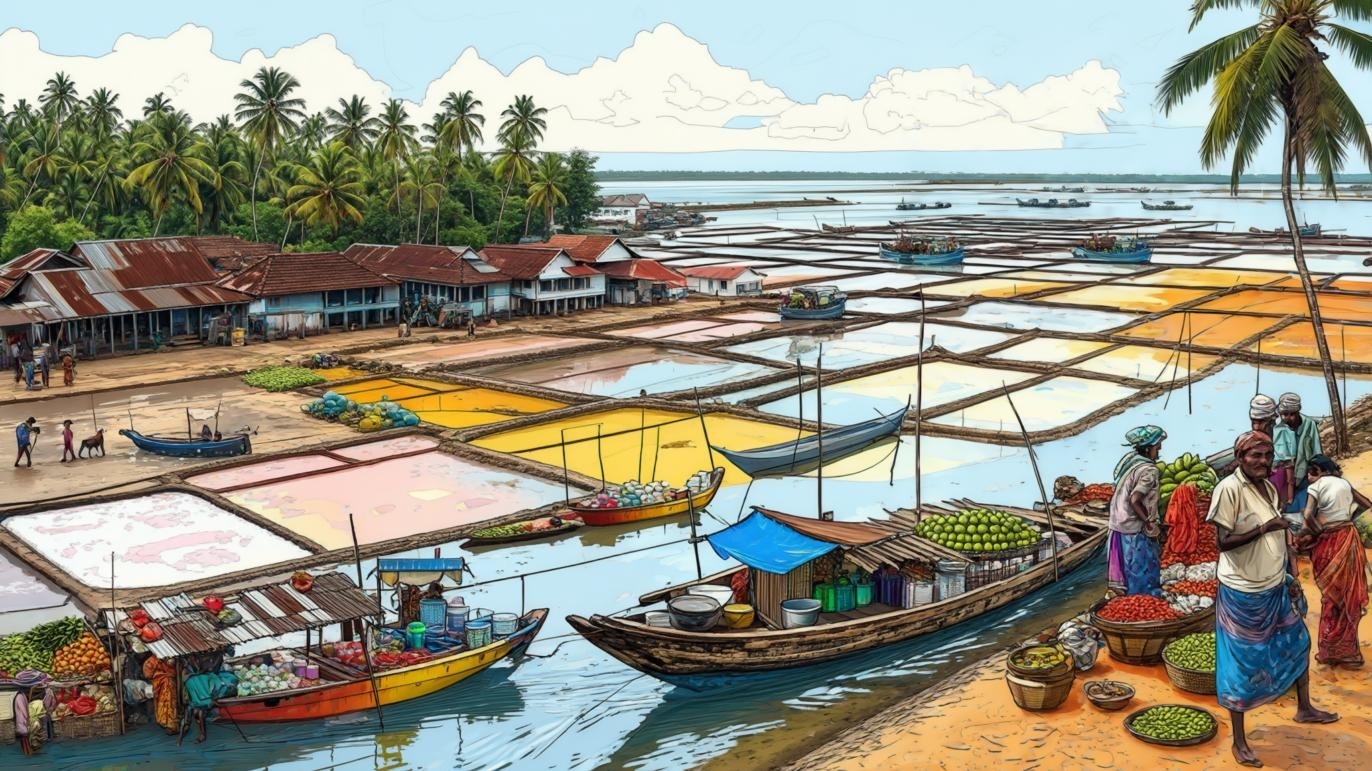
Puttalam, a coastal town in Sri Lanka’s North Western Province, is a vibrant hub known for its scenic beaches, rich cultural heritage, and thriving industries. Located approximately 130 km north of Colombo, Puttalam serves as the administrative capital of Puttalam District. With its strategic position along the western coastline, the town is a gateway to both natural wonders and economic activity, blending traditional lifestyles with modern development.

Puttalam’s history stretches back centuries, with its coastal location making it a significant point for trade and cultural exchange. The town was historically a stopover for maritime traders, including Arab merchants, who influenced its cultural and religious landscape. Evidence of ancient settlements and colonial influences, particularly from the Portuguese and Dutch eras, can still be seen in the region’s architecture and place names. Puttalam was also a key center during the Kandyan Kingdom, serving as a coastal outpost.

Situated along the Puttalam Lagoon, a vast brackish water body, the town is surrounded by stunning natural landscapes. The lagoon, one of the largest in Sri Lanka, supports a rich ecosystem and is a haven for birdwatchers and nature enthusiasts. Nearby, the Wilpattu National Park, one of the country’s oldest and largest wildlife sanctuaries, is a major attraction, home to leopards, elephants, sloth bears, and a variety of bird species.

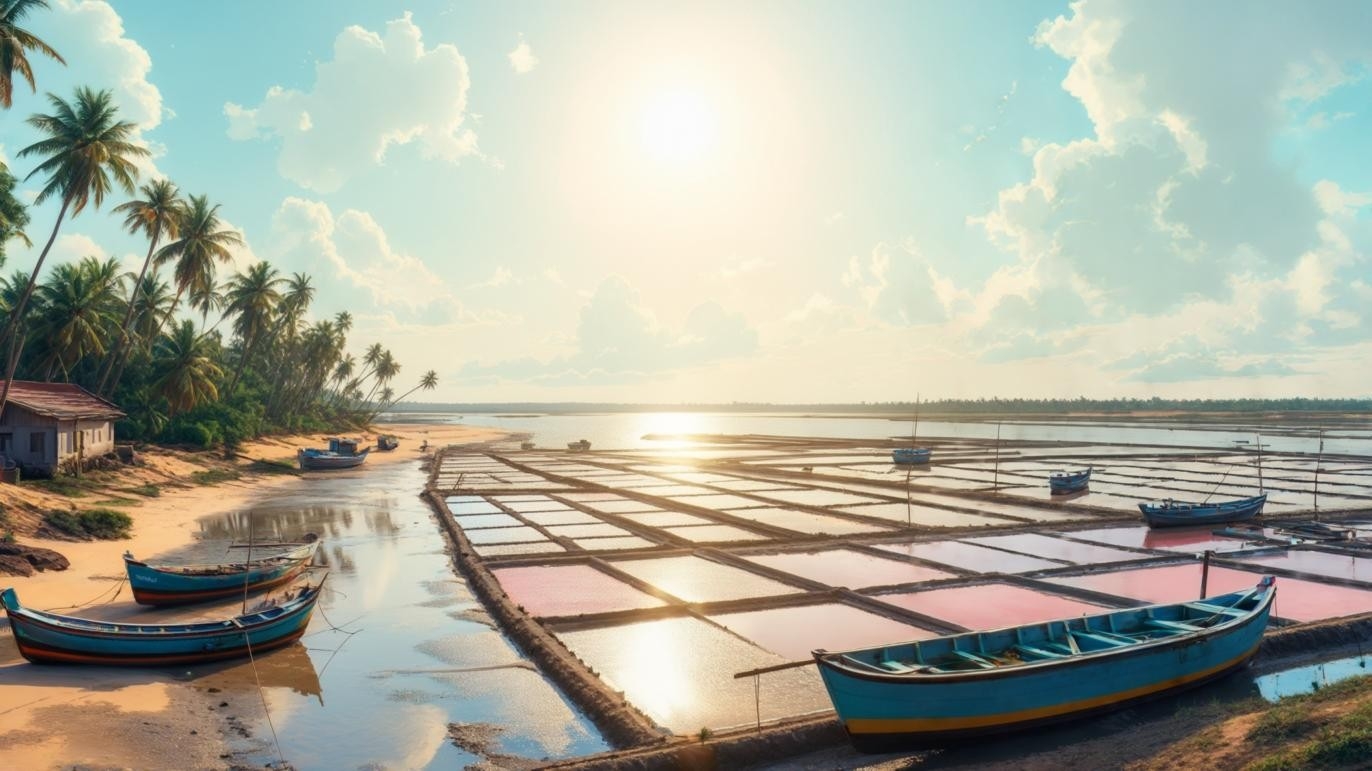
Puttalam’s coastline features pristine beaches such as Kalpitiya, located about 40 km north, known for its coral reefs, kite surfing, and dolphin-watching opportunities. The town’s proximity to the Indian Ocean also makes it a key fishing hub, with vibrant fish markets showcasing the day’s catch.

Puttalam is a melting pot of cultures, with Sinhalese, Tamil, and Muslim communities coexisting harmoniously. This diversity is reflected in its religious sites:

Puttalam Jumma Mosque: A prominent mosque serving the town’s large Muslim population, known for its striking architecture.
St. Anne’s Church, Talawila: Located nearby, this historic Catholic church attracts thousands of pilgrims annually, especially during its feast in March.
Munneswaram Temple: A revered Hindu temple, about 20 km from Puttalam, known for its ancient origins and vibrant festivals like Navaratri.

Cultural festivals, including Sinhala and Tamil New Year celebrations and Islamic events like Eid, bring the community together, showcasing Puttalam’s rich multicultural fabric.

Puttalam offers a range of attractions for visitors:

Wilpattu National Park: A must-visit for wildlife enthusiasts, offering safari tours to spot elusive leopards and other fauna.
Kalpitiya Peninsula: A hotspot for water sports, dolphin and whale watching, and exploring coral reefs.
Anawilundawa Wetland Sanctuary: A Ramsar-listed wetland, ideal for birdwatching, with over 150 species of migratory and resident birds.
Dutch Fort in Kalpitiya: A colonial-era fort offering a glimpse into the region’s history.

The town’s coastal location also makes it a great base for exploring nearby islands and lagoons, with boat tours available for visitors.

Puttalam is a dynamic coastal town that offers a unique blend of natural beauty, cultural diversity, and economic vitality. From its serene lagoons and wildlife-rich parks to its historic temples and bustling markets, Puttalam captures the essence of Sri Lanka’s coastal charm. As it balances tradition with progress, the town remains a welcoming destination for travelers and a vital hub for the North Western Province.

image

Puttalam, a coastal town in Sri Lanka’s North Western Province, is a vibrant hub known for its scenic beaches, rich cultural heritage, and thriving industries. Located approximately 130 km north of Colombo, Puttalam serves as the administrative capital of Puttalam District. With its strategic position along the western coastline, the town is a gateway to both natural wonders and economic activity, blending traditional lifestyles with modern development.

Puttalam’s history stretches back centuries, with its coastal location making it a significant point for trade and cultural exchange. The town was historically a stopover for maritime traders, including Arab merchants, who influenced its cultural and religious landscape. Evidence of ancient settlements and colonial influences, particularly from the Portuguese and Dutch eras, can still be seen in the region’s architecture and place names. Puttalam was also a key center during the Kandyan Kingdom, serving as a coastal outpost.

Situated along the Puttalam Lagoon, a vast brackish water body, the town is surrounded by stunning natural landscapes. The lagoon, one of the largest in Sri Lanka, supports a rich ecosystem and is a haven for birdwatchers and nature enthusiasts. Nearby, the Wilpattu National Park, one of the country’s oldest and largest wildlife sanctuaries, is a major attraction, home to leopards, elephants, sloth bears, and a variety of bird species.

Puttalam’s coastline features pristine beaches such as Kalpitiya, located about 40 km north, known for its coral reefs, kite surfing, and dolphin-watching opportunities. The town’s proximity to the Indian Ocean also makes it a key fishing hub, with vibrant fish markets showcasing the day’s catch.

Puttalam is a melting pot of cultures, with Sinhalese, Tamil, and Muslim communities coexisting harmoniously. This diversity is reflected in its religious sites:

Puttalam Jumma Mosque: A prominent mosque serving the town’s large Muslim population, known for its striking architecture.
St. Anne’s Church, Talawila: Located nearby, this historic Catholic church attracts thousands of pilgrims annually, especially during its feast in March.
Munneswaram Temple: A revered Hindu temple, about 20 km from Puttalam, known for its ancient origins and vibrant festivals like Navaratri.

Cultural festivals, including Sinhala and Tamil New Year celebrations and Islamic events like Eid, bring the community together, showcasing Puttalam’s rich multicultural fabric.

Puttalam offers a range of attractions for visitors:

Wilpattu National Park: A must-visit for wildlife enthusiasts, offering safari tours to spot elusive leopards and other fauna.
Kalpitiya Peninsula: A hotspot for water sports, dolphin and whale watching, and exploring coral reefs.
Anawilundawa Wetland Sanctuary: A Ramsar-listed wetland, ideal for birdwatching, with over 150 species of migratory and resident birds.
Dutch Fort in Kalpitiya: A colonial-era fort offering a glimpse into the region’s history.

The town’s coastal location also makes it a great base for exploring nearby islands and lagoons, with boat tours available for visitors.

Puttalam is a dynamic coastal town that offers a unique blend of natural beauty, cultural diversity, and economic vitality. From its serene lagoons and wildlife-rich parks to its historic temples and bustling markets, Puttalam captures the essence of Sri Lanka’s coastal charm. As it balances tradition with progress, the town remains a welcoming destination for travelers and a vital hub for the North Western Province.

image