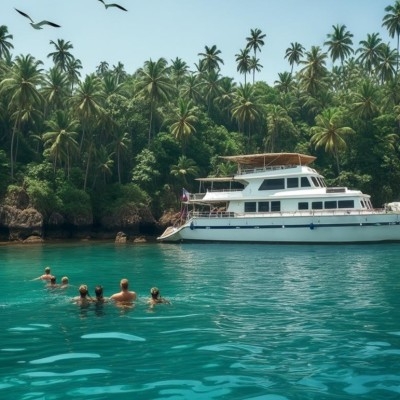
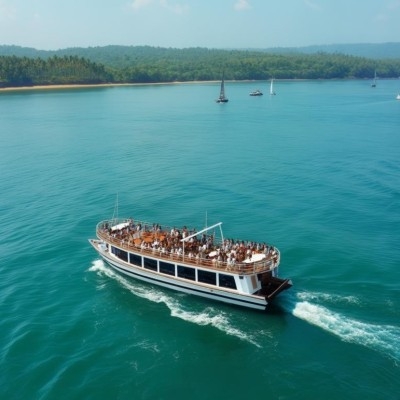
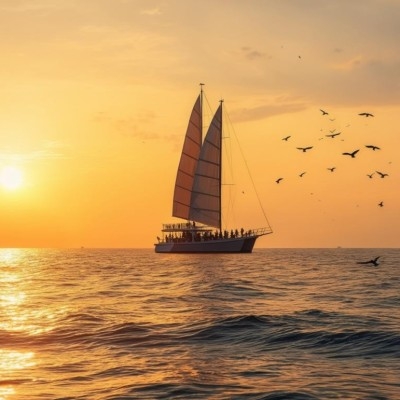
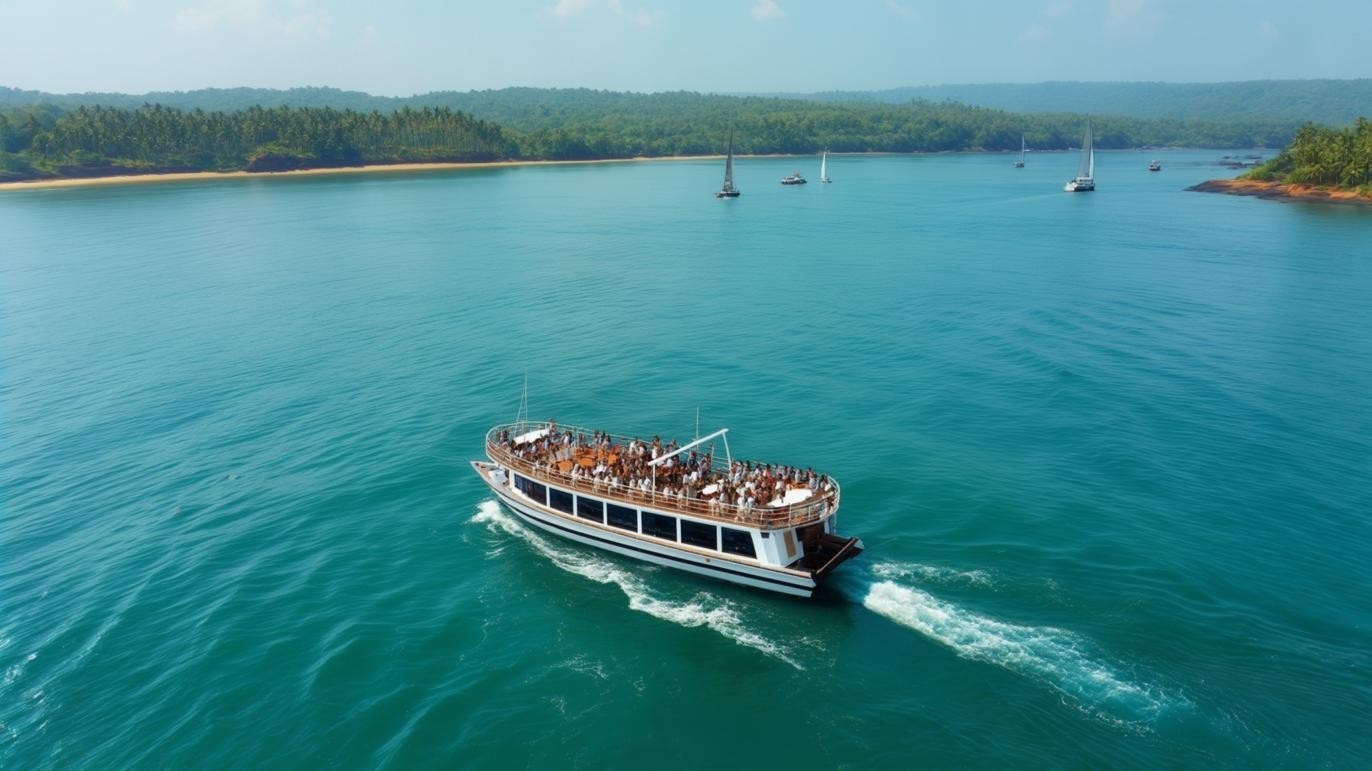
Boat sharing involves splitting the cost of a boat and captain among people traveling to the same destination. While global platforms like Boatide, Sailbox, Bootschaft, Steamboat, Antlos, and Boatshare facilitate this model, boat sharing in Sri Lanka is less formalized and more centered around charter services, yacht rentals, and tourism-focused boating experiences.

Sri Lanka, with its extensive coastline and marine tourism industry, offers opportunities for boat-based activities, but structured boat-sharing associations like those mentioned (Boatide, Sailbox, etc.) do not appear to have a significant presence. Instead, the country’s boating scene focuses on yacht charters, whale-watching tours, and leisure cruises, often facilitated by private companies rather than peer-to-peer sharing platforms.

image

Boat sharing involves splitting the cost of a boat and captain among people traveling to the same destination. While global platforms like Boatide, Sailbox, Bootschaft, Steamboat, Antlos, and Boatshare facilitate this model, boat sharing in Sri Lanka is less formalized and more centered around charter services, yacht rentals, and tourism-focused boating experiences.

Sri Lanka, with its extensive coastline and marine tourism industry, offers opportunities for boat-based activities, but structured boat-sharing associations like those mentioned (Boatide, Sailbox, etc.) do not appear to have a significant presence. Instead, the country’s boating scene focuses on yacht charters, whale-watching tours, and leisure cruises, often facilitated by private companies rather than peer-to-peer sharing platforms.

image

Boat sharing involves splitting the cost of a boat and captain among people traveling to the same destination. While global platforms like Boatide, Sailbox, Bootschaft, Steamboat, Antlos, and Boatshare facilitate this model, boat sharing in Sri Lanka is less formalized and more centered around charter services, yacht rentals, and tourism-focused boating experiences.

Sri Lanka, with its extensive coastline and marine tourism industry, offers opportunities for boat-based activities, but structured boat-sharing associations like those mentioned (Boatide, Sailbox, etc.) do not appear to have a significant presence. Instead, the country’s boating scene focuses on yacht charters, whale-watching tours, and leisure cruises, often facilitated by private companies rather than peer-to-peer sharing platforms.

image
image
image

Business tourism, often referred to as MICE (Meetings, Incentives, Conferences, and Exhibitions) tourism, is a growing sector in Sri Lanka, leveraging the country’s strategic location, cultural diversity, and modern infrastructure to attract professionals worldwide.

Sri Lanka is emerging as a competitive destination for business tourism due to its affordability, modern facilities, and diverse attractions. The Sri Lanka Convention Bureau (SLC actively promotes the country as a hub for MICE events, with Colombo serving as the primary center. Despite challenges like limited large-scale venues compared to regional competitors (e.g., Singapore or Thailand), Sri Lanka offers unique natural and cultural settings, making it appealing for business travelers seeking a blend of work and leisure. In 2022, tourism, including business tourism, contributed approximately $1.1 billion to the economy, with MICE travelers noted for higher spending compared to leisure tourists.

Sri Lanka’s business tourism sector is poised for growth, driven by its affordability, cultural richness, and strategic promotion by the SLCB. While incentive travel benefits from the country’s scenic diversity, exhibitions, conferences, and corporate events are supported by modern facilities in Colombo and growing infrastructure elsewhere. To fully realize its potential, Sri Lanka must address challenges like venue capacity and connectivity, but its unique blend of professional and leisure offerings makes it a compelling MICE destination.

image

Business tourism, often referred to as MICE (Meetings, Incentives, Conferences, and Exhibitions) tourism, is a growing sector in Sri Lanka, leveraging the country’s strategic location, cultural diversity, and modern infrastructure to attract professionals worldwide.

Sri Lanka is emerging as a competitive destination for business tourism due to its affordability, modern facilities, and diverse attractions. The Sri Lanka Convention Bureau (SLC actively promotes the country as a hub for MICE events, with Colombo serving as the primary center. Despite challenges like limited large-scale venues compared to regional competitors (e.g., Singapore or Thailand), Sri Lanka offers unique natural and cultural settings, making it appealing for business travelers seeking a blend of work and leisure. In 2022, tourism, including business tourism, contributed approximately $1.1 billion to the economy, with MICE travelers noted for higher spending compared to leisure tourists.

Sri Lanka’s business tourism sector is poised for growth, driven by its affordability, cultural richness, and strategic promotion by the SLCB. While incentive travel benefits from the country’s scenic diversity, exhibitions, conferences, and corporate events are supported by modern facilities in Colombo and growing infrastructure elsewhere. To fully realize its potential, Sri Lanka must address challenges like venue capacity and connectivity, but its unique blend of professional and leisure offerings makes it a compelling MICE destination.

image
image
image

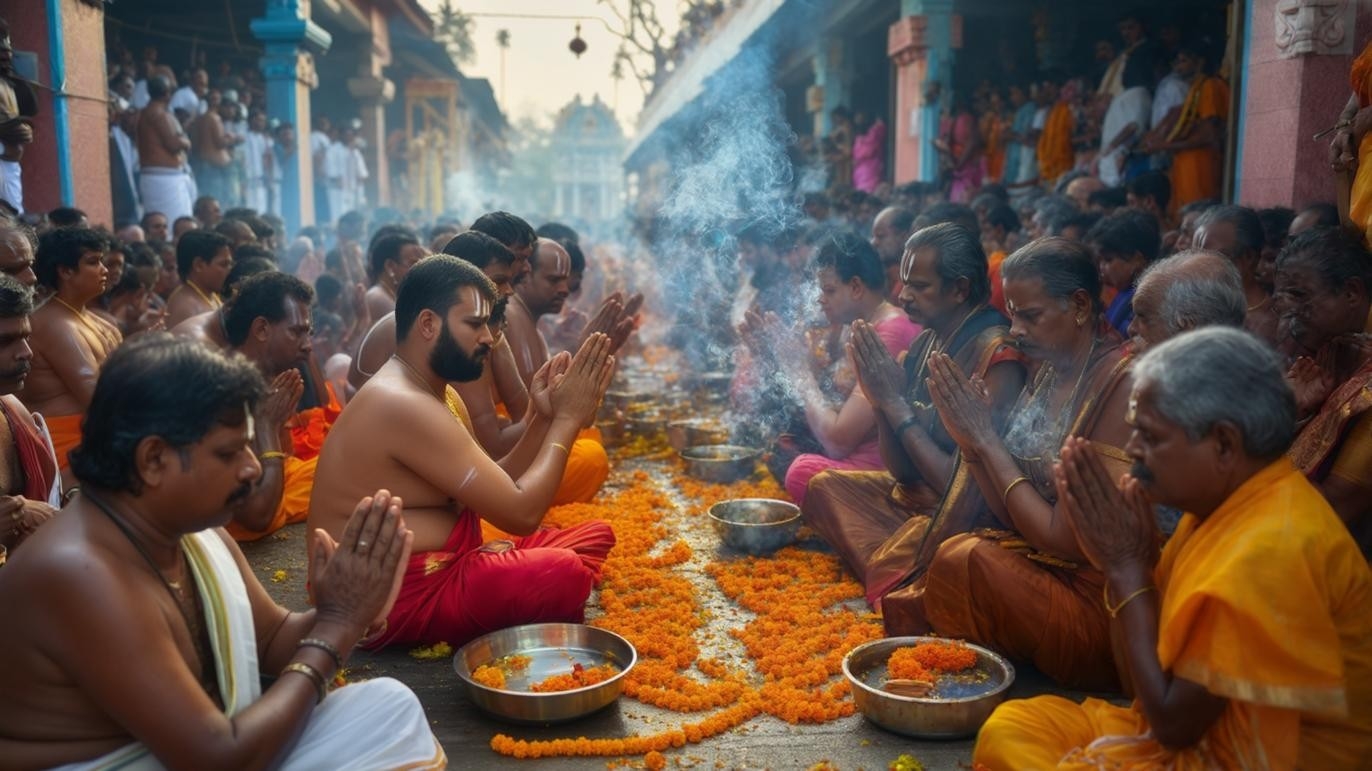
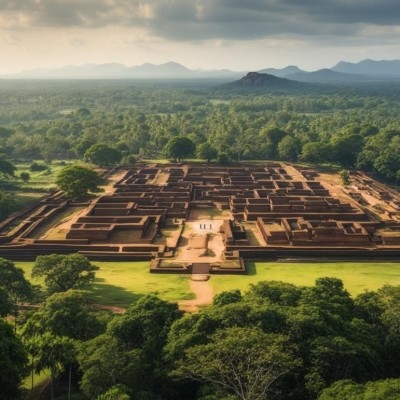
Cultural tourism in Sri Lanka offers travelers a deep dive into the island’s rich heritage, shaped by centuries of Buddhist, Hindu, Tamil, and colonial influences. The country’s cultural landscape is a vibrant tapestry of ancient traditions, religious rituals, colorful festivals, and historic sites, making it a compelling destination for immersive experiences.While Sri Lanka’s cultural tourism is promoted as a harmonious blend of traditions, the industry can sometimes gloss over historical tensions between Tamil and Sinhalese communities, particularly in the north. Jaffna’s cultural narrative is often underrepresented in mainstream tourism, and some sites, like post-war memorials, may feel sanitized. Travelers should seek local guides to understand nuanced perspectives and avoid exploitative tours that commodify sacred rituals. Additionally, overtourism in popular spots like Sigiriya and Kandy can strain resources, so consider lesser-visited sites like Mihintale or Mannar for authentic experiences.

Cultural tourism in Sri Lanka is a journey through ancient cities, sacred rituals, and diverse communities, with Northern Sri Lanka, the Cultural Triangle, Kandy, Galle, and Colombo offering unique experiences. From Hindu temple ceremonies in Jaffna to Buddhist festivals in Kandy, travelers can immerse themselves in living traditions. Recent growth in tourism, sustainable practices, and emerging destinations like Jaffna enhance the appeal, but mindful engagement ensures respect for local cultures. Plan your trip with seasonal timing and local insights for a truly enriching experience.

image

Cultural tourism in Sri Lanka offers travelers a deep dive into the island’s rich heritage, shaped by centuries of Buddhist, Hindu, Tamil, and colonial influences. The country’s cultural landscape is a vibrant tapestry of ancient traditions, religious rituals, colorful festivals, and historic sites, making it a compelling destination for immersive experiences.While Sri Lanka’s cultural tourism is promoted as a harmonious blend of traditions, the industry can sometimes gloss over historical tensions between Tamil and Sinhalese communities, particularly in the north. Jaffna’s cultural narrative is often underrepresented in mainstream tourism, and some sites, like post-war memorials, may feel sanitized. Travelers should seek local guides to understand nuanced perspectives and avoid exploitative tours that commodify sacred rituals. Additionally, overtourism in popular spots like Sigiriya and Kandy can strain resources, so consider lesser-visited sites like Mihintale or Mannar for authentic experiences.

Cultural tourism in Sri Lanka is a journey through ancient cities, sacred rituals, and diverse communities, with Northern Sri Lanka, the Cultural Triangle, Kandy, Galle, and Colombo offering unique experiences. From Hindu temple ceremonies in Jaffna to Buddhist festivals in Kandy, travelers can immerse themselves in living traditions. Recent growth in tourism, sustainable practices, and emerging destinations like Jaffna enhance the appeal, but mindful engagement ensures respect for local cultures. Plan your trip with seasonal timing and local insights for a truly enriching experience.

image

Cultural tourism in Sri Lanka offers travelers a deep dive into the island’s rich heritage, shaped by centuries of Buddhist, Hindu, Tamil, and colonial influences. The country’s cultural landscape is a vibrant tapestry of ancient traditions, religious rituals, colorful festivals, and historic sites, making it a compelling destination for immersive experiences.While Sri Lanka’s cultural tourism is promoted as a harmonious blend of traditions, the industry can sometimes gloss over historical tensions between Tamil and Sinhalese communities, particularly in the north. Jaffna’s cultural narrative is often underrepresented in mainstream tourism, and some sites, like post-war memorials, may feel sanitized. Travelers should seek local guides to understand nuanced perspectives and avoid exploitative tours that commodify sacred rituals. Additionally, overtourism in popular spots like Sigiriya and Kandy can strain resources, so consider lesser-visited sites like Mihintale or Mannar for authentic experiences.

Cultural tourism in Sri Lanka is a journey through ancient cities, sacred rituals, and diverse communities, with Northern Sri Lanka, the Cultural Triangle, Kandy, Galle, and Colombo offering unique experiences. From Hindu temple ceremonies in Jaffna to Buddhist festivals in Kandy, travelers can immerse themselves in living traditions. Recent growth in tourism, sustainable practices, and emerging destinations like Jaffna enhance the appeal, but mindful engagement ensures respect for local cultures. Plan your trip with seasonal timing and local insights for a truly enriching experience.

image

Cultural tourism in Sri Lanka offers travelers a deep dive into the island’s rich heritage, shaped by centuries of Buddhist, Hindu, Tamil, and colonial influences. The country’s cultural landscape is a vibrant tapestry of ancient traditions, religious rituals, colorful festivals, and historic sites, making it a compelling destination for immersive experiences.While Sri Lanka’s cultural tourism is promoted as a harmonious blend of traditions, the industry can sometimes gloss over historical tensions between Tamil and Sinhalese communities, particularly in the north. Jaffna’s cultural narrative is often underrepresented in mainstream tourism, and some sites, like post-war memorials, may feel sanitized. Travelers should seek local guides to understand nuanced perspectives and avoid exploitative tours that commodify sacred rituals. Additionally, overtourism in popular spots like Sigiriya and Kandy can strain resources, so consider lesser-visited sites like Mihintale or Mannar for authentic experiences.

Cultural tourism in Sri Lanka is a journey through ancient cities, sacred rituals, and diverse communities, with Northern Sri Lanka, the Cultural Triangle, Kandy, Galle, and Colombo offering unique experiences. From Hindu temple ceremonies in Jaffna to Buddhist festivals in Kandy, travelers can immerse themselves in living traditions. Recent growth in tourism, sustainable practices, and emerging destinations like Jaffna enhance the appeal, but mindful engagement ensures respect for local cultures. Plan your trip with seasonal timing and local insights for a truly enriching experience.

image

Cultural tourism in Sri Lanka offers travelers a deep dive into the island’s rich heritage, shaped by centuries of Buddhist, Hindu, Tamil, and colonial influences. The country’s cultural landscape is a vibrant tapestry of ancient traditions, religious rituals, colorful festivals, and historic sites, making it a compelling destination for immersive experiences.While Sri Lanka’s cultural tourism is promoted as a harmonious blend of traditions, the industry can sometimes gloss over historical tensions between Tamil and Sinhalese communities, particularly in the north. Jaffna’s cultural narrative is often underrepresented in mainstream tourism, and some sites, like post-war memorials, may feel sanitized. Travelers should seek local guides to understand nuanced perspectives and avoid exploitative tours that commodify sacred rituals. Additionally, overtourism in popular spots like Sigiriya and Kandy can strain resources, so consider lesser-visited sites like Mihintale or Mannar for authentic experiences.

Cultural tourism in Sri Lanka is a journey through ancient cities, sacred rituals, and diverse communities, with Northern Sri Lanka, the Cultural Triangle, Kandy, Galle, and Colombo offering unique experiences. From Hindu temple ceremonies in Jaffna to Buddhist festivals in Kandy, travelers can immerse themselves in living traditions. Recent growth in tourism, sustainable practices, and emerging destinations like Jaffna enhance the appeal, but mindful engagement ensures respect for local cultures. Plan your trip with seasonal timing and local insights for a truly enriching experience.

image
image
image
image