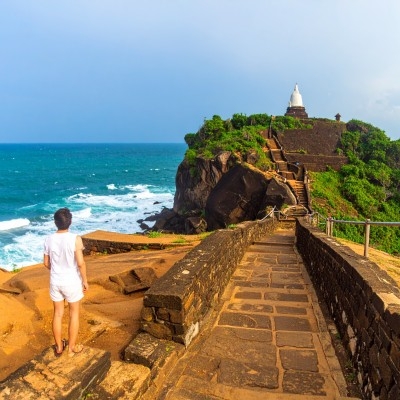
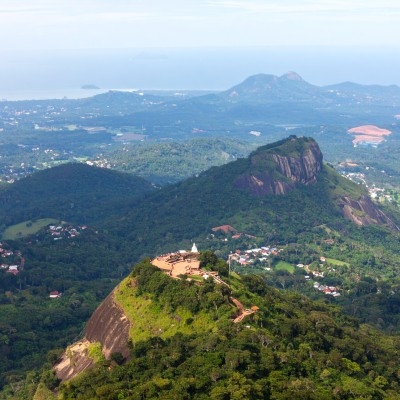
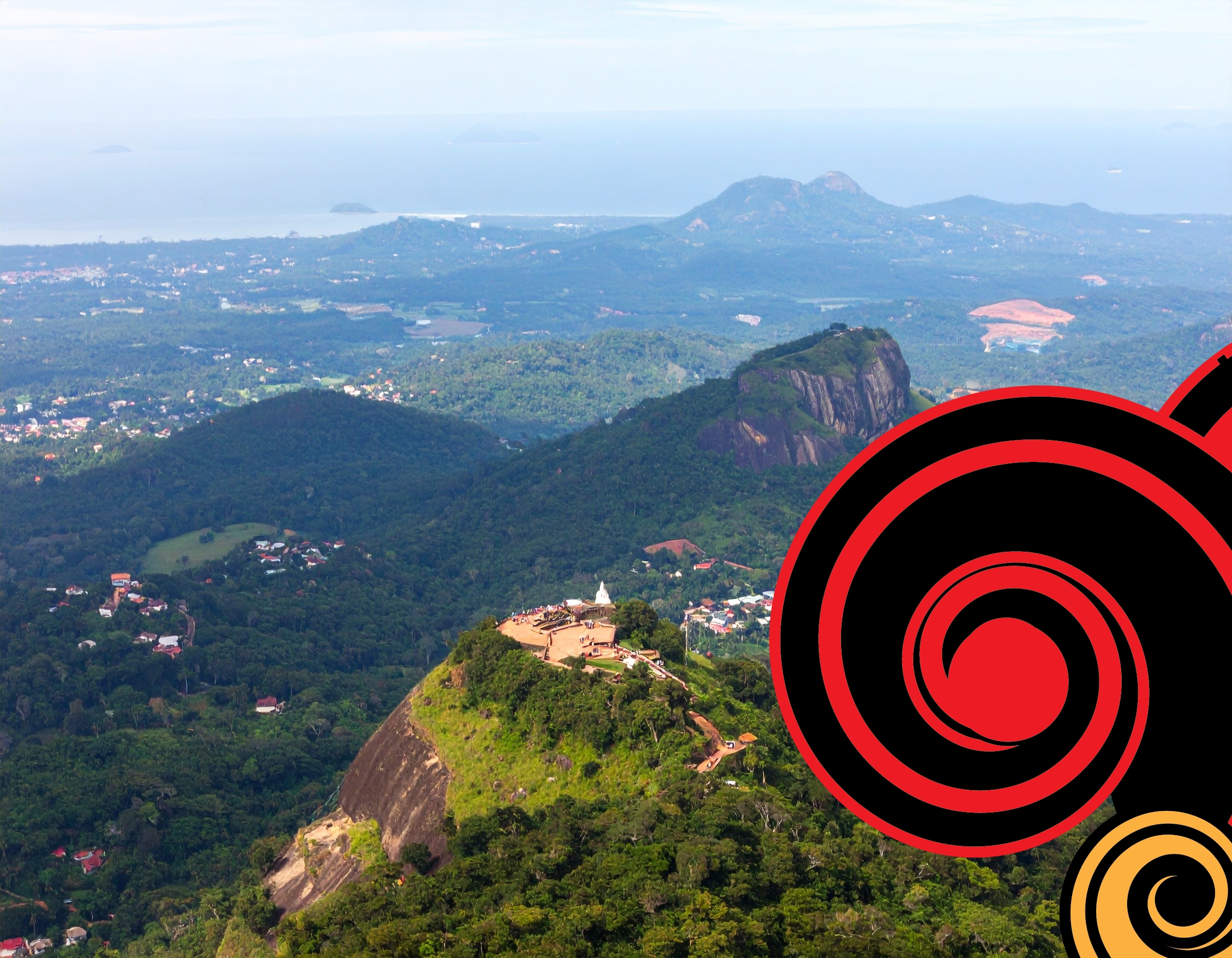
Experimental tourism in Sri Lanka offers a unique way to explore the island beyond its well-trodden tourist sites like Sigiriya, Kandy, or Galle. By embracing approaches like humor, serendipity, and chance, travelers can engage with Sri Lanka’s rich culture, landscapes, and hidden corners in unconventional ways.

Sri Lanka’s compact size, diverse landscapes (beaches, jungles, mountains), and rich cultural tapestry make it ideal for experimental tourism. Its post-war tourism boom has opened up new areas like Jaffna and the east coast, while lesser-known sites like Mannar or Kosgoda offer serendipitous discoveries. The island’s warmth and hospitality, combined with its chaotic yet charming unpredictability (e.g., traffic jams or signage blunders), align perfectly with the humor and chance of experimental travel.

image

Experimental tourism in Sri Lanka offers a unique way to explore the island beyond its well-trodden tourist sites like Sigiriya, Kandy, or Galle. By embracing approaches like humor, serendipity, and chance, travelers can engage with Sri Lanka’s rich culture, landscapes, and hidden corners in unconventional ways.

Sri Lanka’s compact size, diverse landscapes (beaches, jungles, mountains), and rich cultural tapestry make it ideal for experimental tourism. Its post-war tourism boom has opened up new areas like Jaffna and the east coast, while lesser-known sites like Mannar or Kosgoda offer serendipitous discoveries. The island’s warmth and hospitality, combined with its chaotic yet charming unpredictability (e.g., traffic jams or signage blunders), align perfectly with the humor and chance of experimental travel.

image
image
image

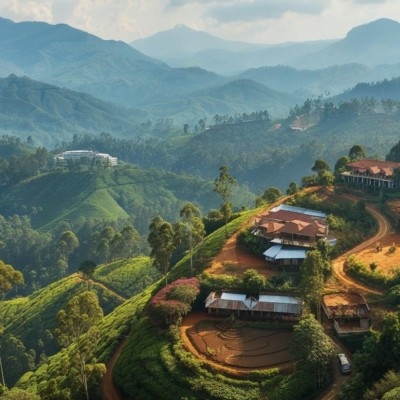
Alternative tourism, or specific interest tourism (SIT), in Sri Lanka is gaining momentum as travelers seek meaningful, sustainable, and immersive experiences that prioritize interaction with local communities, culture, and the environment. Unlike mass tourism, alternative tourism focuses on eco-friendly practices, cultural engagement, and supporting local economies.

Alternative tourism in Sri Lanka offers diverse opportunities to engage with its natural beauty, cultural heritage, and local communities while promoting sustainability. From eco-tourism in biodiversity-rich national parks to adventure treks in the Knuckles Range, rural homestays in Kandy, sustainable initiatives like the R-NSTC framework, and solidarity tourism in post-conflict regions, Sri Lanka is positioning itself as a leader in responsible travel. By choosing ethical operators and supporting local initiatives, travelers can contribute to preserving Sri Lanka’s environment and uplifting its communities, ensuring a positive impact for both present and future generations.

image

Alternative tourism, or specific interest tourism (SIT), in Sri Lanka is gaining momentum as travelers seek meaningful, sustainable, and immersive experiences that prioritize interaction with local communities, culture, and the environment. Unlike mass tourism, alternative tourism focuses on eco-friendly practices, cultural engagement, and supporting local economies.

Alternative tourism in Sri Lanka offers diverse opportunities to engage with its natural beauty, cultural heritage, and local communities while promoting sustainability. From eco-tourism in biodiversity-rich national parks to adventure treks in the Knuckles Range, rural homestays in Kandy, sustainable initiatives like the R-NSTC framework, and solidarity tourism in post-conflict regions, Sri Lanka is positioning itself as a leader in responsible travel. By choosing ethical operators and supporting local initiatives, travelers can contribute to preserving Sri Lanka’s environment and uplifting its communities, ensuring a positive impact for both present and future generations.

image
image
image

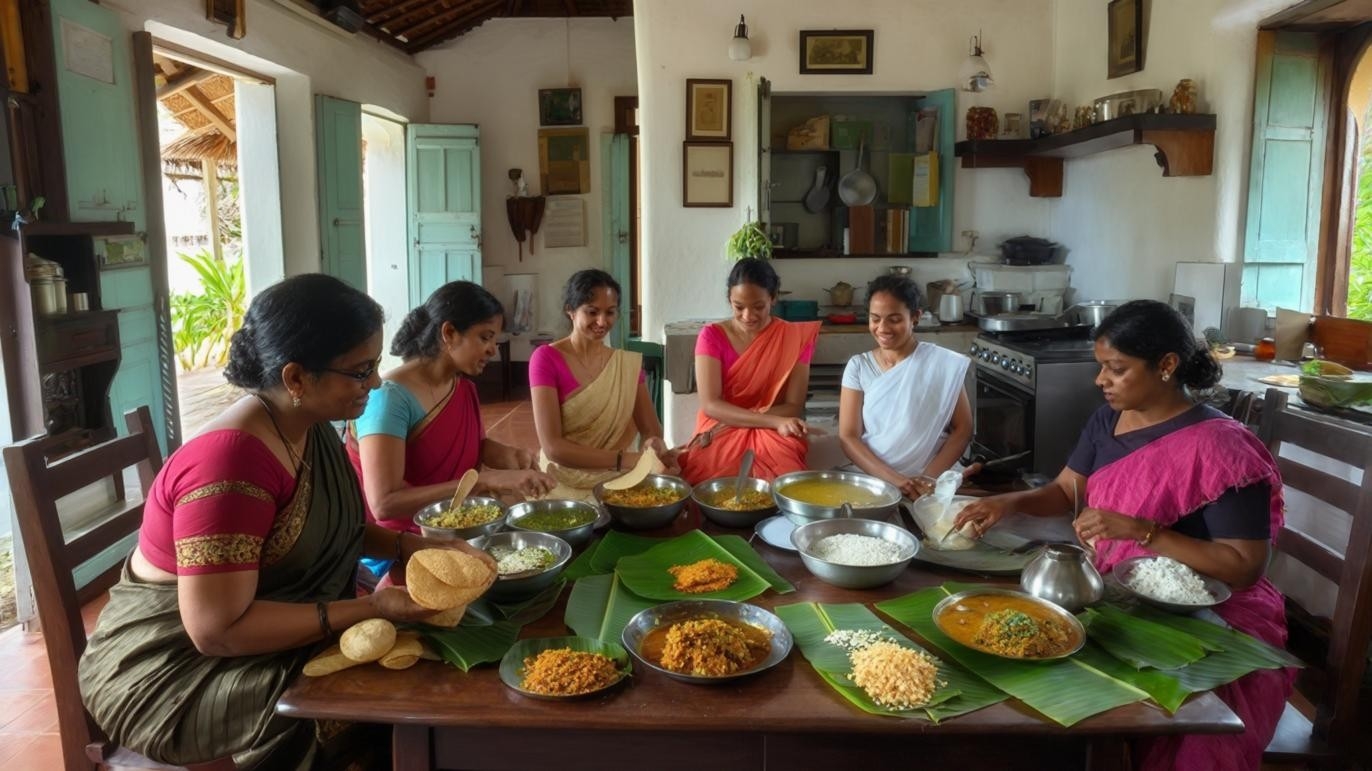
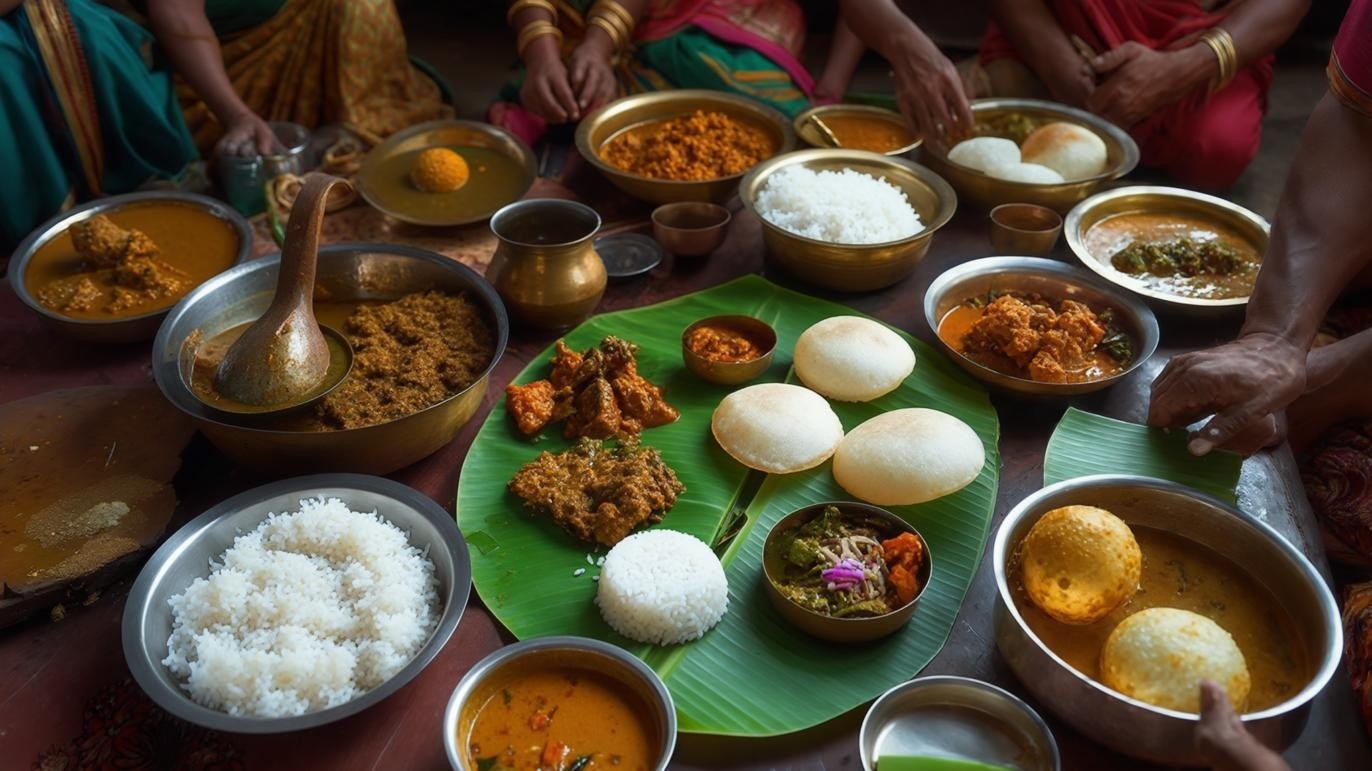
Culinary tourism in Sri Lanka offers a vibrant and diverse experience for food enthusiasts, driven by the island’s rich culinary heritage, multicultural influences, and fresh, local ingredients. Sri Lankan cuisine is a fusion of flavors shaped by its history of colonization, trade, and ethnic diversity, including Sinhalese, Tamil, Muslim, and Burgher communities, as well as influences from Indian, Portuguese, Dutch, Malay, and Arab culinary traditions.

Sri Lanka’s cuisine is known for its bold use of spices, coconut-based dishes, and a balance of flavors ranging from spicy to tangy and sweet. The island’s tropical climate provides an abundance of fresh seafood, vegetables, fruits, and spices like cinnamon, cardamom, and nutmeg, which are central to its dishes. Culinary tourism here combines immersive food experiences with cultural exploration, scenic beauty, and opportunities to learn traditional cooking techniques. Despite its potential, Sri Lankan cuisine remains relatively underexplored globally, making it a unique and authentic destination for food lovers.

Culinary tourism in Sri Lanka is a feast for the senses, offering a blend of bold flavors, cultural immersion, and hands-on learning. From cooking hoppers in a local home to savoring kottu on Colombo’s streets or exploring sustainable plant-based cuisine in Galle, the island provides a unique and authentic food journey. Its multicultural heritage, fresh ingredients, and untapped potential make it a rising star for food enthusiasts seeking an alternative to mainstream culinary destinations.

image

Culinary tourism in Sri Lanka offers a vibrant and diverse experience for food enthusiasts, driven by the island’s rich culinary heritage, multicultural influences, and fresh, local ingredients. Sri Lankan cuisine is a fusion of flavors shaped by its history of colonization, trade, and ethnic diversity, including Sinhalese, Tamil, Muslim, and Burgher communities, as well as influences from Indian, Portuguese, Dutch, Malay, and Arab culinary traditions.

Sri Lanka’s cuisine is known for its bold use of spices, coconut-based dishes, and a balance of flavors ranging from spicy to tangy and sweet. The island’s tropical climate provides an abundance of fresh seafood, vegetables, fruits, and spices like cinnamon, cardamom, and nutmeg, which are central to its dishes. Culinary tourism here combines immersive food experiences with cultural exploration, scenic beauty, and opportunities to learn traditional cooking techniques. Despite its potential, Sri Lankan cuisine remains relatively underexplored globally, making it a unique and authentic destination for food lovers.

Culinary tourism in Sri Lanka is a feast for the senses, offering a blend of bold flavors, cultural immersion, and hands-on learning. From cooking hoppers in a local home to savoring kottu on Colombo’s streets or exploring sustainable plant-based cuisine in Galle, the island provides a unique and authentic food journey. Its multicultural heritage, fresh ingredients, and untapped potential make it a rising star for food enthusiasts seeking an alternative to mainstream culinary destinations.

image

Culinary tourism in Sri Lanka offers a vibrant and diverse experience for food enthusiasts, driven by the island’s rich culinary heritage, multicultural influences, and fresh, local ingredients. Sri Lankan cuisine is a fusion of flavors shaped by its history of colonization, trade, and ethnic diversity, including Sinhalese, Tamil, Muslim, and Burgher communities, as well as influences from Indian, Portuguese, Dutch, Malay, and Arab culinary traditions.

Sri Lanka’s cuisine is known for its bold use of spices, coconut-based dishes, and a balance of flavors ranging from spicy to tangy and sweet. The island’s tropical climate provides an abundance of fresh seafood, vegetables, fruits, and spices like cinnamon, cardamom, and nutmeg, which are central to its dishes. Culinary tourism here combines immersive food experiences with cultural exploration, scenic beauty, and opportunities to learn traditional cooking techniques. Despite its potential, Sri Lankan cuisine remains relatively underexplored globally, making it a unique and authentic destination for food lovers.

Culinary tourism in Sri Lanka is a feast for the senses, offering a blend of bold flavors, cultural immersion, and hands-on learning. From cooking hoppers in a local home to savoring kottu on Colombo’s streets or exploring sustainable plant-based cuisine in Galle, the island provides a unique and authentic food journey. Its multicultural heritage, fresh ingredients, and untapped potential make it a rising star for food enthusiasts seeking an alternative to mainstream culinary destinations.

image

Culinary tourism in Sri Lanka offers a vibrant and diverse experience for food enthusiasts, driven by the island’s rich culinary heritage, multicultural influences, and fresh, local ingredients. Sri Lankan cuisine is a fusion of flavors shaped by its history of colonization, trade, and ethnic diversity, including Sinhalese, Tamil, Muslim, and Burgher communities, as well as influences from Indian, Portuguese, Dutch, Malay, and Arab culinary traditions.

Sri Lanka’s cuisine is known for its bold use of spices, coconut-based dishes, and a balance of flavors ranging from spicy to tangy and sweet. The island’s tropical climate provides an abundance of fresh seafood, vegetables, fruits, and spices like cinnamon, cardamom, and nutmeg, which are central to its dishes. Culinary tourism here combines immersive food experiences with cultural exploration, scenic beauty, and opportunities to learn traditional cooking techniques. Despite its potential, Sri Lankan cuisine remains relatively underexplored globally, making it a unique and authentic destination for food lovers.

Culinary tourism in Sri Lanka is a feast for the senses, offering a blend of bold flavors, cultural immersion, and hands-on learning. From cooking hoppers in a local home to savoring kottu on Colombo’s streets or exploring sustainable plant-based cuisine in Galle, the island provides a unique and authentic food journey. Its multicultural heritage, fresh ingredients, and untapped potential make it a rising star for food enthusiasts seeking an alternative to mainstream culinary destinations.

image

Culinary tourism in Sri Lanka offers a vibrant and diverse experience for food enthusiasts, driven by the island’s rich culinary heritage, multicultural influences, and fresh, local ingredients. Sri Lankan cuisine is a fusion of flavors shaped by its history of colonization, trade, and ethnic diversity, including Sinhalese, Tamil, Muslim, and Burgher communities, as well as influences from Indian, Portuguese, Dutch, Malay, and Arab culinary traditions.

Sri Lanka’s cuisine is known for its bold use of spices, coconut-based dishes, and a balance of flavors ranging from spicy to tangy and sweet. The island’s tropical climate provides an abundance of fresh seafood, vegetables, fruits, and spices like cinnamon, cardamom, and nutmeg, which are central to its dishes. Culinary tourism here combines immersive food experiences with cultural exploration, scenic beauty, and opportunities to learn traditional cooking techniques. Despite its potential, Sri Lankan cuisine remains relatively underexplored globally, making it a unique and authentic destination for food lovers.

Culinary tourism in Sri Lanka is a feast for the senses, offering a blend of bold flavors, cultural immersion, and hands-on learning. From cooking hoppers in a local home to savoring kottu on Colombo’s streets or exploring sustainable plant-based cuisine in Galle, the island provides a unique and authentic food journey. Its multicultural heritage, fresh ingredients, and untapped potential make it a rising star for food enthusiasts seeking an alternative to mainstream culinary destinations.

image
image
image
image

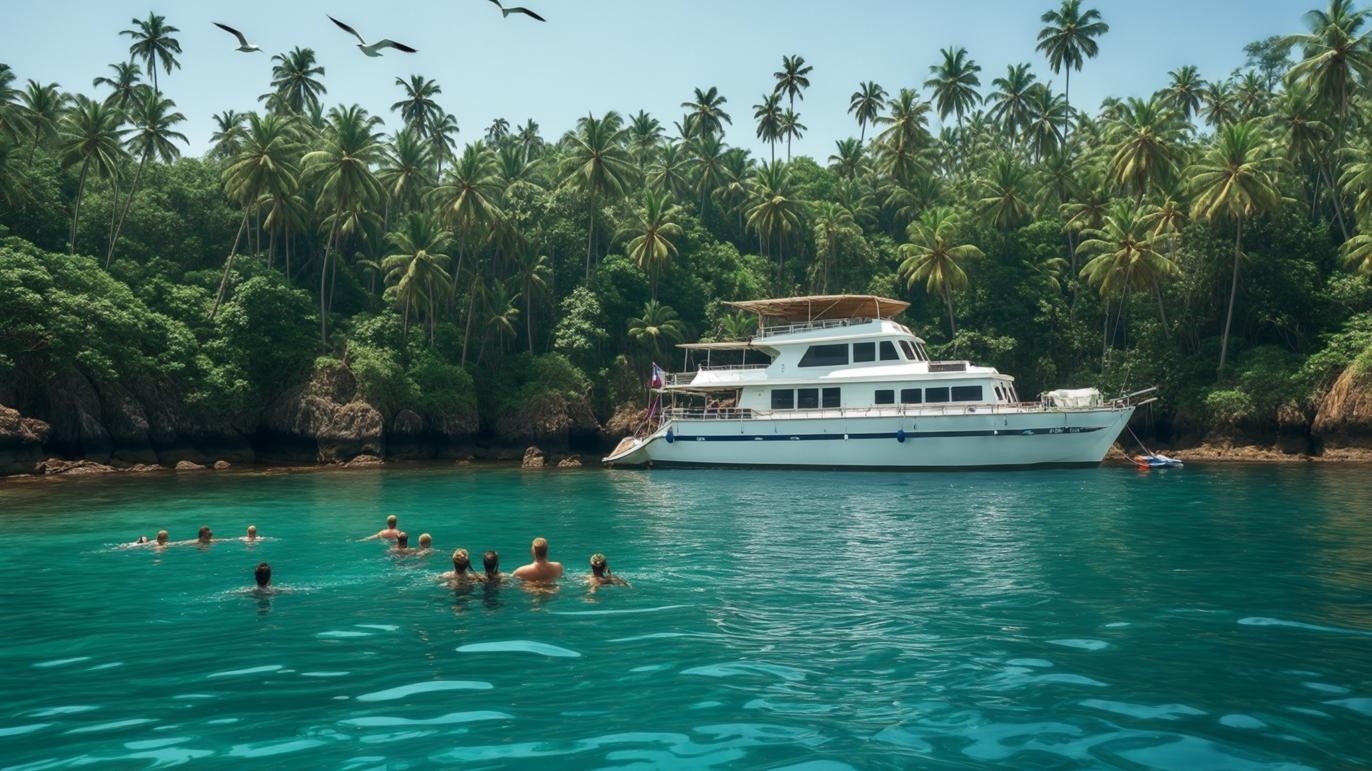
Boat sharing involves splitting the cost of a boat and captain among people traveling to the same destination. While global platforms like Boatide, Sailbox, Bootschaft, Steamboat, Antlos, and Boatshare facilitate this model, boat sharing in Sri Lanka is less formalized and more centered around charter services, yacht rentals, and tourism-focused boating experiences.

Sri Lanka, with its extensive coastline and marine tourism industry, offers opportunities for boat-based activities, but structured boat-sharing associations like those mentioned (Boatide, Sailbox, etc.) do not appear to have a significant presence. Instead, the country’s boating scene focuses on yacht charters, whale-watching tours, and leisure cruises, often facilitated by private companies rather than peer-to-peer sharing platforms.

image