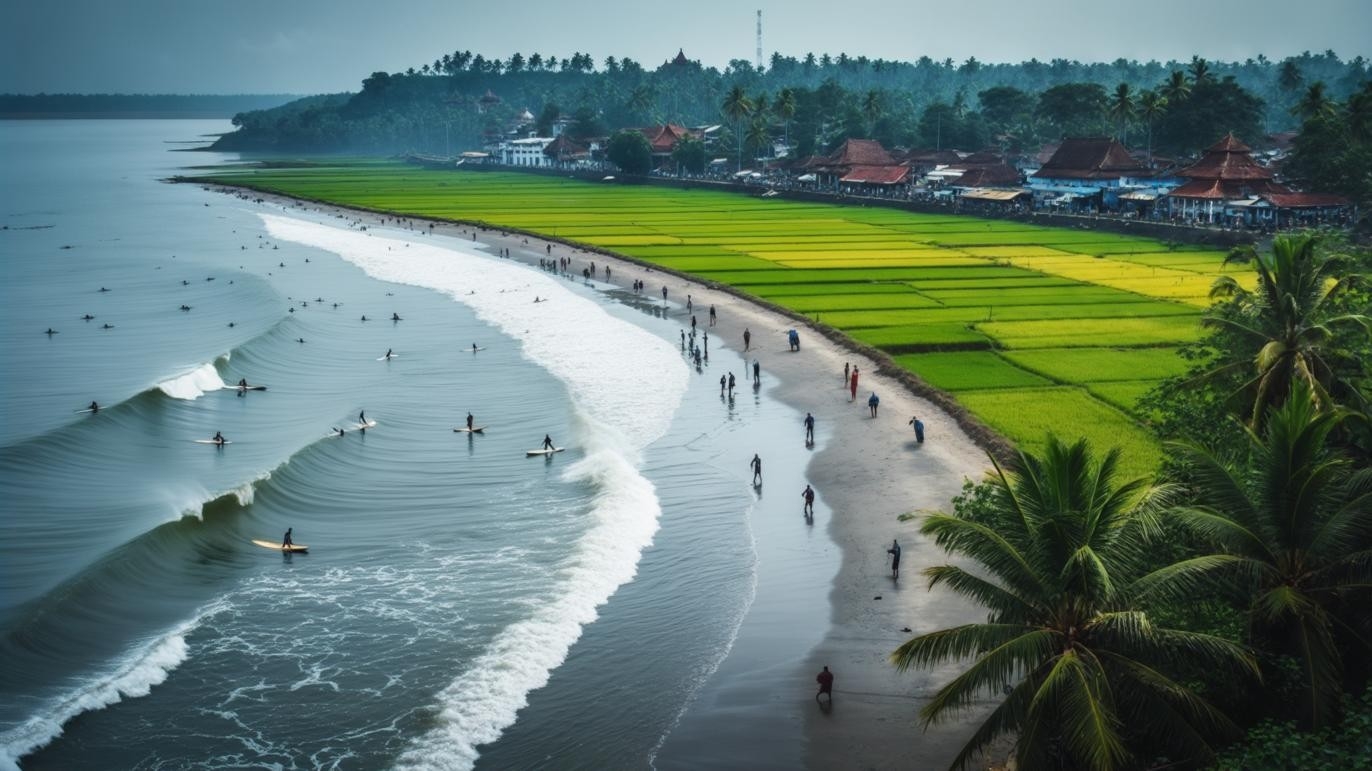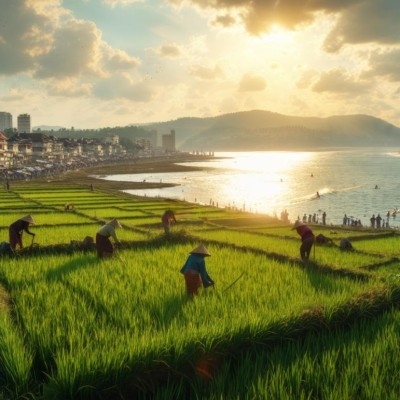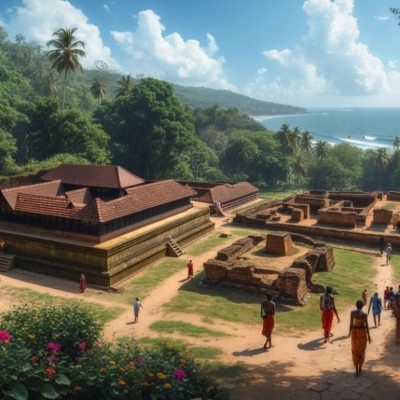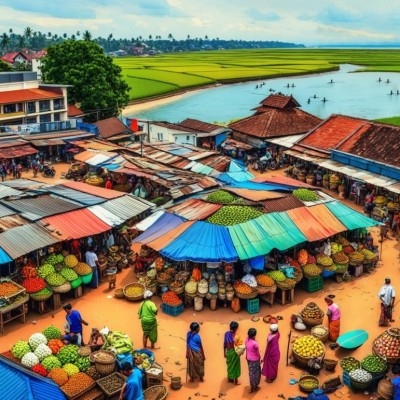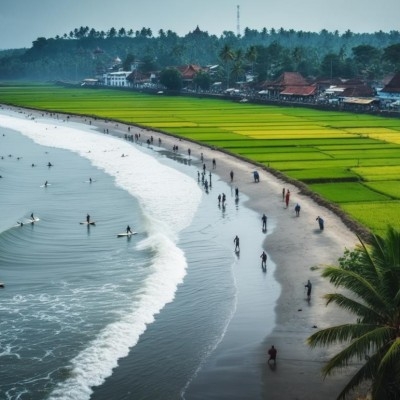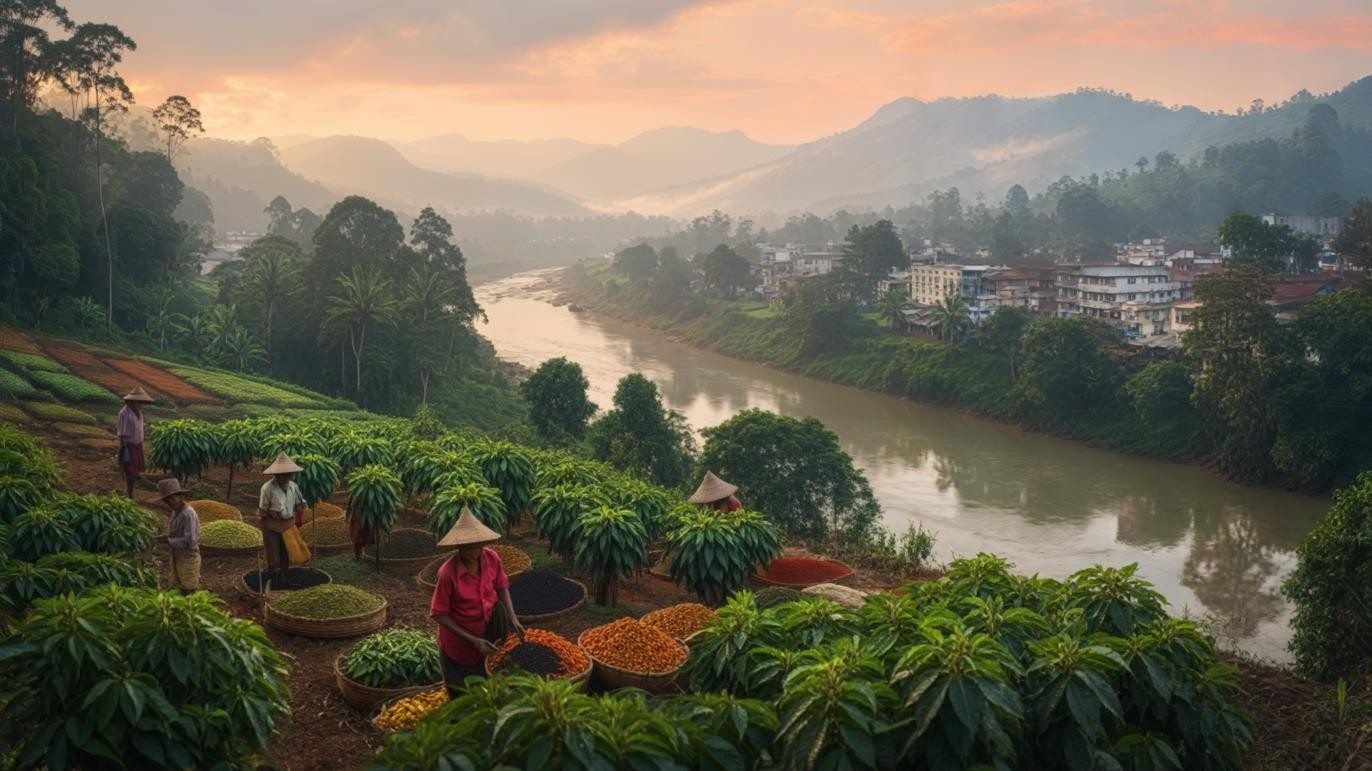
Ampara, the main town of Ampara District in Sri Lanka’s Eastern Province, is a vibrant administrative and agricultural hub located approximately 360 km east of Colombo and 60 km south of Batticaloa. Originally a hunters’ resting place during British colonial times in the late 1890s, Ampara transformed into a town with the Gal Oya development scheme in 1949, initiated by Prime Minister D.S. Senanayake. Initially serving as a residence for workers constructing the Inginiyagala Dam, it later became the central administrative town of the Gal Oya Valley.

Ampara’s modern development began with the Gal Oya scheme, which focused on agricultural growth, particularly paddy cultivation, making the district one of Sri Lanka’s largest paddy-producing regions. The town was established as the administrative center of Ampara District, carved out from Batticaloa District in April 1961. Historically, the area was part of the ancient Digamadulla Kingdom, a flourishing agricultural and trade base, with archaeological sites like the Buddangala Monastery, dating back to the 2nd century BC, showcasing its rich heritage.

Ampara is a melting pot of ethnicities and religions, reflecting the district’s diversity. According to the 2012 census, the Ampara District’s population was 648,057, with 43.58% Sri Lankan Muslims, 38.73% Sinhalese, and 17.39% Sri Lankan Tamils, alongside smaller communities of Burghers, Malays, and Vedda. In the Ampara DS Division, the religious composition includes 97.16% Buddhists, 1.23% Roman Catholics, 0.73% Muslims, 0.54% other Christians, and 0.33% Hindus. This diversity fosters a vibrant cultural fabric with active community engagement.

Ampara offers a mix of natural, cultural, and historical attractions:

Kumana National Park: A haven for wildlife enthusiasts, this park spans 35,664 hectares and is renowned for birdwatching, with 255 of Sri Lanka’s 400 bird species recorded. The Kumana Villu, a 200-hectare swamp lake, is a key feature.
Gal Oya National Park: Known for boat and jeep safaris, it offers sightings of elephants, leopards, and birds, especially from March to July. The park’s “Bird Island” is a highlight for visitors.
Buddangala Monastery: A 2300-year-old Buddhist meditation center with ruins spread across 200 acres, housing relics of Lord Buddha and his disciples.
Mahaoya Hot Springs: Located 2 km from Mahaoya town, these springs feature seven wells with temperatures up to 56°C, with two suitable for bathing.
Arugam Bay: A world-famous surfing destination 78 km from Ampara, attracting tourists despite slow recovery from the 2004 tsunami.

Ampara city combines historical significance, cultural diversity, and natural beauty, making it an intriguing destination for travelers and a vital center for the Eastern Province. Its agricultural prominence, coupled with attractions like Kumana and Gal Oya National Parks, offers a serene yet enriching experience, though ongoing development is needed to enhance infrastructure and services.

image

Ampara, the main town of Ampara District in Sri Lanka’s Eastern Province, is a vibrant administrative and agricultural hub located approximately 360 km east of Colombo and 60 km south of Batticaloa. Originally a hunters’ resting place during British colonial times in the late 1890s, Ampara transformed into a town with the Gal Oya development scheme in 1949, initiated by Prime Minister D.S. Senanayake. Initially serving as a residence for workers constructing the Inginiyagala Dam, it later became the central administrative town of the Gal Oya Valley.

Ampara’s modern development began with the Gal Oya scheme, which focused on agricultural growth, particularly paddy cultivation, making the district one of Sri Lanka’s largest paddy-producing regions. The town was established as the administrative center of Ampara District, carved out from Batticaloa District in April 1961. Historically, the area was part of the ancient Digamadulla Kingdom, a flourishing agricultural and trade base, with archaeological sites like the Buddangala Monastery, dating back to the 2nd century BC, showcasing its rich heritage.

Ampara is a melting pot of ethnicities and religions, reflecting the district’s diversity. According to the 2012 census, the Ampara District’s population was 648,057, with 43.58% Sri Lankan Muslims, 38.73% Sinhalese, and 17.39% Sri Lankan Tamils, alongside smaller communities of Burghers, Malays, and Vedda. In the Ampara DS Division, the religious composition includes 97.16% Buddhists, 1.23% Roman Catholics, 0.73% Muslims, 0.54% other Christians, and 0.33% Hindus. This diversity fosters a vibrant cultural fabric with active community engagement.

Ampara offers a mix of natural, cultural, and historical attractions:

Kumana National Park: A haven for wildlife enthusiasts, this park spans 35,664 hectares and is renowned for birdwatching, with 255 of Sri Lanka’s 400 bird species recorded. The Kumana Villu, a 200-hectare swamp lake, is a key feature.
Gal Oya National Park: Known for boat and jeep safaris, it offers sightings of elephants, leopards, and birds, especially from March to July. The park’s “Bird Island” is a highlight for visitors.
Buddangala Monastery: A 2300-year-old Buddhist meditation center with ruins spread across 200 acres, housing relics of Lord Buddha and his disciples.
Mahaoya Hot Springs: Located 2 km from Mahaoya town, these springs feature seven wells with temperatures up to 56°C, with two suitable for bathing.
Arugam Bay: A world-famous surfing destination 78 km from Ampara, attracting tourists despite slow recovery from the 2004 tsunami.

Ampara city combines historical significance, cultural diversity, and natural beauty, making it an intriguing destination for travelers and a vital center for the Eastern Province. Its agricultural prominence, coupled with attractions like Kumana and Gal Oya National Parks, offers a serene yet enriching experience, though ongoing development is needed to enhance infrastructure and services.

image

Ampara, the main town of Ampara District in Sri Lanka’s Eastern Province, is a vibrant administrative and agricultural hub located approximately 360 km east of Colombo and 60 km south of Batticaloa. Originally a hunters’ resting place during British colonial times in the late 1890s, Ampara transformed into a town with the Gal Oya development scheme in 1949, initiated by Prime Minister D.S. Senanayake. Initially serving as a residence for workers constructing the Inginiyagala Dam, it later became the central administrative town of the Gal Oya Valley.

Ampara’s modern development began with the Gal Oya scheme, which focused on agricultural growth, particularly paddy cultivation, making the district one of Sri Lanka’s largest paddy-producing regions. The town was established as the administrative center of Ampara District, carved out from Batticaloa District in April 1961. Historically, the area was part of the ancient Digamadulla Kingdom, a flourishing agricultural and trade base, with archaeological sites like the Buddangala Monastery, dating back to the 2nd century BC, showcasing its rich heritage.

Ampara is a melting pot of ethnicities and religions, reflecting the district’s diversity. According to the 2012 census, the Ampara District’s population was 648,057, with 43.58% Sri Lankan Muslims, 38.73% Sinhalese, and 17.39% Sri Lankan Tamils, alongside smaller communities of Burghers, Malays, and Vedda. In the Ampara DS Division, the religious composition includes 97.16% Buddhists, 1.23% Roman Catholics, 0.73% Muslims, 0.54% other Christians, and 0.33% Hindus. This diversity fosters a vibrant cultural fabric with active community engagement.

Ampara offers a mix of natural, cultural, and historical attractions:

Kumana National Park: A haven for wildlife enthusiasts, this park spans 35,664 hectares and is renowned for birdwatching, with 255 of Sri Lanka’s 400 bird species recorded. The Kumana Villu, a 200-hectare swamp lake, is a key feature.
Gal Oya National Park: Known for boat and jeep safaris, it offers sightings of elephants, leopards, and birds, especially from March to July. The park’s “Bird Island” is a highlight for visitors.
Buddangala Monastery: A 2300-year-old Buddhist meditation center with ruins spread across 200 acres, housing relics of Lord Buddha and his disciples.
Mahaoya Hot Springs: Located 2 km from Mahaoya town, these springs feature seven wells with temperatures up to 56°C, with two suitable for bathing.
Arugam Bay: A world-famous surfing destination 78 km from Ampara, attracting tourists despite slow recovery from the 2004 tsunami.

Ampara city combines historical significance, cultural diversity, and natural beauty, making it an intriguing destination for travelers and a vital center for the Eastern Province. Its agricultural prominence, coupled with attractions like Kumana and Gal Oya National Parks, offers a serene yet enriching experience, though ongoing development is needed to enhance infrastructure and services.

image
image
image
image

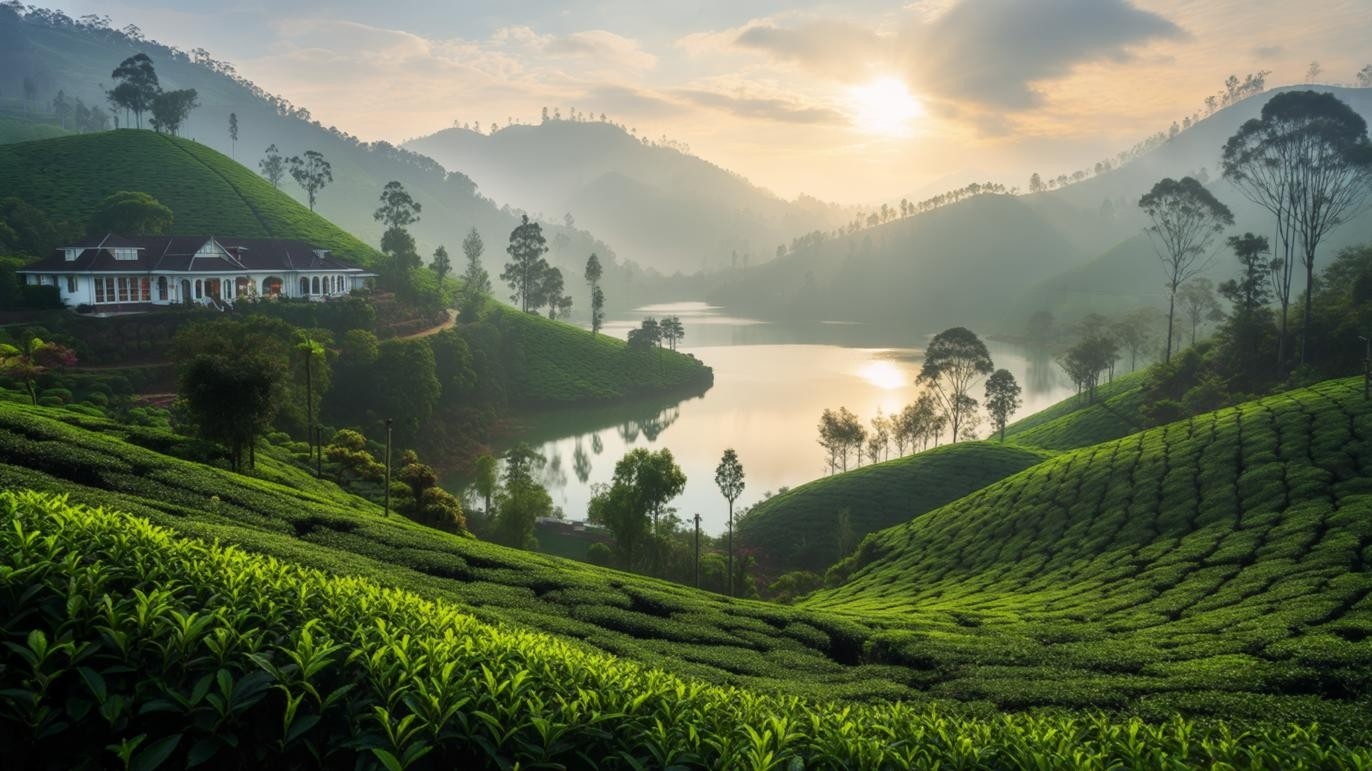
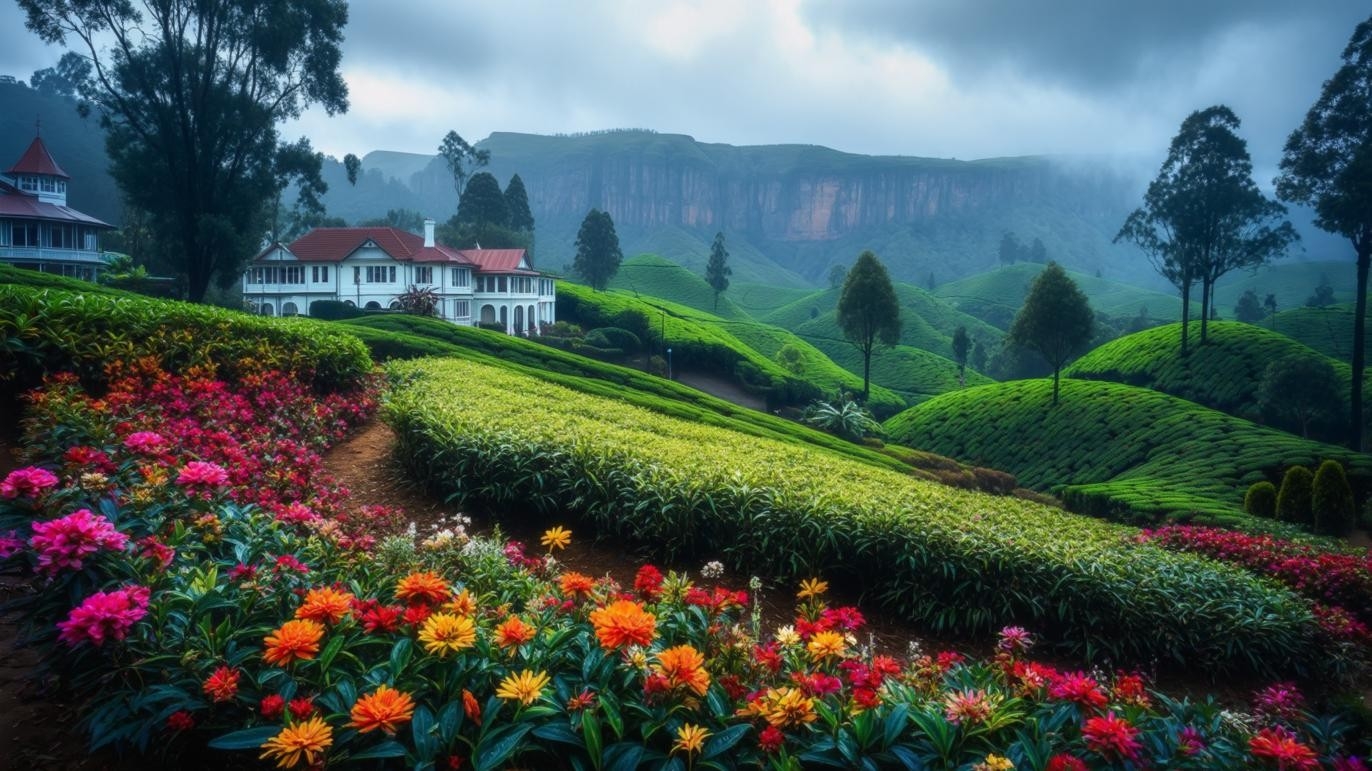
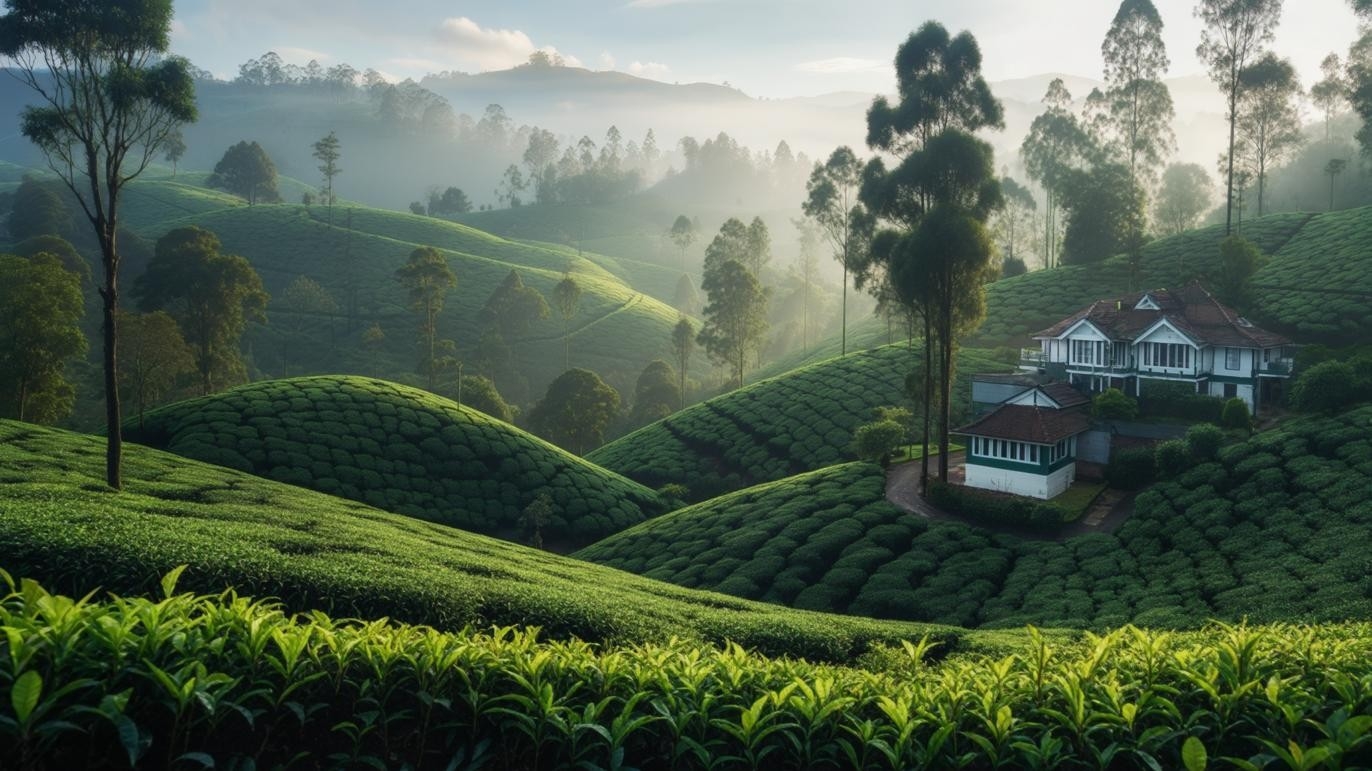
Nuwara Eliya, often referred to as "Little England," is a charming city nestled in the hill country of Sri Lanka, located at an elevation of approximately 1,868 meters (6,128 feet) above sea level. Situated in the Central Province, it is renowned for its cool climate, lush tea plantations, and colonial-era architecture, making it a popular destination for both locals and tourists seeking respite from the tropical heat of the lowlands.

Attractions in Nuwara Eliya.

Tea Plantations and Factories: Nuwara Eliya is surrounded by sprawling tea estates, such as Pedro Tea Estate, where visitors can tour factories and learn about the tea-making process. The region produces some of Sri Lanka’s finest Ceylon tea.
Horton Plains National Park: A short drive from the city, this park offers stunning landscapes, including the dramatic World’s End cliff and Baker’s Falls. It’s a haven for hikers and nature enthusiasts.
Gregory Lake: A serene spot for boating, picnics, and horse riding, this lake is a popular recreational area with scenic views.
Victoria Park: A beautifully maintained park in the heart of the city, ideal for a leisurely stroll amidst colorful flowers and rare bird species.
Hakgala Botanical Garden: Located nearby, this garden is famous for its rose gardens and diverse plant species, set against a backdrop of misty hills.

Nuwara Eliya’s high altitude gives it a temperate climate, with temperatures ranging from 10°C to 20°C (50°F to 68°F) year-round. The cool, misty weather, especially from January to April, makes it a refreshing retreat. April is particularly vibrant during the Sinhala and Tamil New Year, with festivals, horse races, and flower shows.

The city has a diverse population, including Sinhalese, Tamils, and a small community of Burghers. The colonial legacy is evident in landmarks like the Grand Hotel and the Hill Club, which exude old-world charm. Local cuisine features hearty dishes like rice and curry, often paired with fresh vegetables from the region’s farms. Nuwara Eliya’s blend of natural beauty, colonial heritage, and tea culture makes it a must-visit destination in Sri Lanka, offering a serene escape into the misty hills.

image

Nuwara Eliya, often referred to as "Little England," is a charming city nestled in the hill country of Sri Lanka, located at an elevation of approximately 1,868 meters (6,128 feet) above sea level. Situated in the Central Province, it is renowned for its cool climate, lush tea plantations, and colonial-era architecture, making it a popular destination for both locals and tourists seeking respite from the tropical heat of the lowlands.

Attractions in Nuwara Eliya.

Tea Plantations and Factories: Nuwara Eliya is surrounded by sprawling tea estates, such as Pedro Tea Estate, where visitors can tour factories and learn about the tea-making process. The region produces some of Sri Lanka’s finest Ceylon tea.
Horton Plains National Park: A short drive from the city, this park offers stunning landscapes, including the dramatic World’s End cliff and Baker’s Falls. It’s a haven for hikers and nature enthusiasts.
Gregory Lake: A serene spot for boating, picnics, and horse riding, this lake is a popular recreational area with scenic views.
Victoria Park: A beautifully maintained park in the heart of the city, ideal for a leisurely stroll amidst colorful flowers and rare bird species.
Hakgala Botanical Garden: Located nearby, this garden is famous for its rose gardens and diverse plant species, set against a backdrop of misty hills.

Nuwara Eliya’s high altitude gives it a temperate climate, with temperatures ranging from 10°C to 20°C (50°F to 68°F) year-round. The cool, misty weather, especially from January to April, makes it a refreshing retreat. April is particularly vibrant during the Sinhala and Tamil New Year, with festivals, horse races, and flower shows.

The city has a diverse population, including Sinhalese, Tamils, and a small community of Burghers. The colonial legacy is evident in landmarks like the Grand Hotel and the Hill Club, which exude old-world charm. Local cuisine features hearty dishes like rice and curry, often paired with fresh vegetables from the region’s farms. Nuwara Eliya’s blend of natural beauty, colonial heritage, and tea culture makes it a must-visit destination in Sri Lanka, offering a serene escape into the misty hills.

image

Nuwara Eliya, often referred to as "Little England," is a charming city nestled in the hill country of Sri Lanka, located at an elevation of approximately 1,868 meters (6,128 feet) above sea level. Situated in the Central Province, it is renowned for its cool climate, lush tea plantations, and colonial-era architecture, making it a popular destination for both locals and tourists seeking respite from the tropical heat of the lowlands.

Attractions in Nuwara Eliya.

Tea Plantations and Factories: Nuwara Eliya is surrounded by sprawling tea estates, such as Pedro Tea Estate, where visitors can tour factories and learn about the tea-making process. The region produces some of Sri Lanka’s finest Ceylon tea.
Horton Plains National Park: A short drive from the city, this park offers stunning landscapes, including the dramatic World’s End cliff and Baker’s Falls. It’s a haven for hikers and nature enthusiasts.
Gregory Lake: A serene spot for boating, picnics, and horse riding, this lake is a popular recreational area with scenic views.
Victoria Park: A beautifully maintained park in the heart of the city, ideal for a leisurely stroll amidst colorful flowers and rare bird species.
Hakgala Botanical Garden: Located nearby, this garden is famous for its rose gardens and diverse plant species, set against a backdrop of misty hills.

Nuwara Eliya’s high altitude gives it a temperate climate, with temperatures ranging from 10°C to 20°C (50°F to 68°F) year-round. The cool, misty weather, especially from January to April, makes it a refreshing retreat. April is particularly vibrant during the Sinhala and Tamil New Year, with festivals, horse races, and flower shows.

The city has a diverse population, including Sinhalese, Tamils, and a small community of Burghers. The colonial legacy is evident in landmarks like the Grand Hotel and the Hill Club, which exude old-world charm. Local cuisine features hearty dishes like rice and curry, often paired with fresh vegetables from the region’s farms. Nuwara Eliya’s blend of natural beauty, colonial heritage, and tea culture makes it a must-visit destination in Sri Lanka, offering a serene escape into the misty hills.

image

Nuwara Eliya, often referred to as "Little England," is a charming city nestled in the hill country of Sri Lanka, located at an elevation of approximately 1,868 meters (6,128 feet) above sea level. Situated in the Central Province, it is renowned for its cool climate, lush tea plantations, and colonial-era architecture, making it a popular destination for both locals and tourists seeking respite from the tropical heat of the lowlands.

Attractions in Nuwara Eliya.

Tea Plantations and Factories: Nuwara Eliya is surrounded by sprawling tea estates, such as Pedro Tea Estate, where visitors can tour factories and learn about the tea-making process. The region produces some of Sri Lanka’s finest Ceylon tea.
Horton Plains National Park: A short drive from the city, this park offers stunning landscapes, including the dramatic World’s End cliff and Baker’s Falls. It’s a haven for hikers and nature enthusiasts.
Gregory Lake: A serene spot for boating, picnics, and horse riding, this lake is a popular recreational area with scenic views.
Victoria Park: A beautifully maintained park in the heart of the city, ideal for a leisurely stroll amidst colorful flowers and rare bird species.
Hakgala Botanical Garden: Located nearby, this garden is famous for its rose gardens and diverse plant species, set against a backdrop of misty hills.

Nuwara Eliya’s high altitude gives it a temperate climate, with temperatures ranging from 10°C to 20°C (50°F to 68°F) year-round. The cool, misty weather, especially from January to April, makes it a refreshing retreat. April is particularly vibrant during the Sinhala and Tamil New Year, with festivals, horse races, and flower shows.

The city has a diverse population, including Sinhalese, Tamils, and a small community of Burghers. The colonial legacy is evident in landmarks like the Grand Hotel and the Hill Club, which exude old-world charm. Local cuisine features hearty dishes like rice and curry, often paired with fresh vegetables from the region’s farms. Nuwara Eliya’s blend of natural beauty, colonial heritage, and tea culture makes it a must-visit destination in Sri Lanka, offering a serene escape into the misty hills.

image

Nuwara Eliya, often referred to as "Little England," is a charming city nestled in the hill country of Sri Lanka, located at an elevation of approximately 1,868 meters (6,128 feet) above sea level. Situated in the Central Province, it is renowned for its cool climate, lush tea plantations, and colonial-era architecture, making it a popular destination for both locals and tourists seeking respite from the tropical heat of the lowlands.

Attractions in Nuwara Eliya.

Tea Plantations and Factories: Nuwara Eliya is surrounded by sprawling tea estates, such as Pedro Tea Estate, where visitors can tour factories and learn about the tea-making process. The region produces some of Sri Lanka’s finest Ceylon tea.
Horton Plains National Park: A short drive from the city, this park offers stunning landscapes, including the dramatic World’s End cliff and Baker’s Falls. It’s a haven for hikers and nature enthusiasts.
Gregory Lake: A serene spot for boating, picnics, and horse riding, this lake is a popular recreational area with scenic views.
Victoria Park: A beautifully maintained park in the heart of the city, ideal for a leisurely stroll amidst colorful flowers and rare bird species.
Hakgala Botanical Garden: Located nearby, this garden is famous for its rose gardens and diverse plant species, set against a backdrop of misty hills.

Nuwara Eliya’s high altitude gives it a temperate climate, with temperatures ranging from 10°C to 20°C (50°F to 68°F) year-round. The cool, misty weather, especially from January to April, makes it a refreshing retreat. April is particularly vibrant during the Sinhala and Tamil New Year, with festivals, horse races, and flower shows.

The city has a diverse population, including Sinhalese, Tamils, and a small community of Burghers. The colonial legacy is evident in landmarks like the Grand Hotel and the Hill Club, which exude old-world charm. Local cuisine features hearty dishes like rice and curry, often paired with fresh vegetables from the region’s farms. Nuwara Eliya’s blend of natural beauty, colonial heritage, and tea culture makes it a must-visit destination in Sri Lanka, offering a serene escape into the misty hills.

image
image
image
image

Matale is a vibrant city nestled in the heart of Sri Lanka’s Central Province. As the administrative capital and largest urban center of Matale District, it is the second most populous city in the province after Kandy. Located approximately 142 kilometers from Colombo and 25 kilometers north of Kandy, Matale sits in a lush, fertile valley at an elevation of 364 meters (1,194 feet) above sea level, surrounded by the scenic Knuckles Mountain Range, whose foothills were historically referred to as Wiltshire by British colonialists.

Matale holds a significant place in Sri Lankan history, particularly for its role in the transcription of the Buddhist Tripitaka (Pali Canon) on ola (palm) leaves in 29 BCE at the Aluvihare Rock Temple, located just north of the city. This event marks Matale as a key site for Buddhist heritage. The city is also home to the ancient Sri Muthumariamman Temple, dedicated to Mariamman, the goddess of rain and fertility, which houses a rare historical text known as Pannagamam ("Five Headed Serpent". Additionally, Matale was the site of the 1848 Matale Rebellion, a significant uprising against British colonial rule led by rebels like Weera Puran Appu and Gongalegoda Banda.

Matale is a multi-ethnic and multi-cultural hub, reflecting Sri Lanka’s diverse population. The majority of residents are Sinhalese, followed by Muslims, with smaller communities of Sri Lankan Tamils, Indian Tamils, Burghers, and Malays. This diversity is evident in the city’s religious landmarks, including the Aluvihare Rock Temple for Buddhists and the Sri Muthumariamman Temple for Hindus, which is also revered by Buddhists.

Matale’s location in the Central Highlands offers stunning natural landscapes and a temperate climate, making it a refreshing escape from Sri Lanka’s tropical heat. The Knuckles Mountain Range provides opportunities for hiking and exploring biodiversity, with attractions like the Bambarakiri Ella and Sera Ella waterfalls, Sembuwatta Lake, and Pitawala Pathana, a grassland resembling World’s End in Horton Plains. The nearby Wasgamuwa National Park is renowned for its large herds of Sri Lankan elephants and other wildlife, making it a must-visit for nature enthusiasts.

Known as the "spice capital" of Sri Lanka, Matale is famous for its spice gardens, where visitors can explore plantations growing cinnamon, cardamom, nutmeg, pepper, and more. These gardens offer tours, cooking classes, and demonstrations of traditional Sri Lankan recipes, such as chicken curry and dhal curry, often prepared using clay pot techniques. The National Spice Garden, managed by the Department of Export Agriculture, is a highlight for learning about Sri Lanka’s historic spice trade, which once attracted Greek, Arab, and Malay merchants.

Notable Sites in Matale District.
Sigiriya Rock Fortress: A UNESCO World Heritage Site and ancient rock fortress built in the 5th century by King Kashyapa I, located within Matale District.
Dambulla Cave Temple: Another UNESCO site, this cave monastery features five sanctuaries and is one of the best-preserved in Sri Lanka.
Nalanda Gedige: An ancient stone temple blending Hindu and Buddhist architectural styles, believed to date between the 8th and 10th centuries.
Matale Heritage Centre: Founded by artist Ena de Silva, it showcases traditional Sri Lankan batik art.

image

Matale is a vibrant city nestled in the heart of Sri Lanka’s Central Province. As the administrative capital and largest urban center of Matale District, it is the second most populous city in the province after Kandy. Located approximately 142 kilometers from Colombo and 25 kilometers north of Kandy, Matale sits in a lush, fertile valley at an elevation of 364 meters (1,194 feet) above sea level, surrounded by the scenic Knuckles Mountain Range, whose foothills were historically referred to as Wiltshire by British colonialists.

Matale holds a significant place in Sri Lankan history, particularly for its role in the transcription of the Buddhist Tripitaka (Pali Canon) on ola (palm) leaves in 29 BCE at the Aluvihare Rock Temple, located just north of the city. This event marks Matale as a key site for Buddhist heritage. The city is also home to the ancient Sri Muthumariamman Temple, dedicated to Mariamman, the goddess of rain and fertility, which houses a rare historical text known as Pannagamam ("Five Headed Serpent". Additionally, Matale was the site of the 1848 Matale Rebellion, a significant uprising against British colonial rule led by rebels like Weera Puran Appu and Gongalegoda Banda.

Matale is a multi-ethnic and multi-cultural hub, reflecting Sri Lanka’s diverse population. The majority of residents are Sinhalese, followed by Muslims, with smaller communities of Sri Lankan Tamils, Indian Tamils, Burghers, and Malays. This diversity is evident in the city’s religious landmarks, including the Aluvihare Rock Temple for Buddhists and the Sri Muthumariamman Temple for Hindus, which is also revered by Buddhists.

Matale’s location in the Central Highlands offers stunning natural landscapes and a temperate climate, making it a refreshing escape from Sri Lanka’s tropical heat. The Knuckles Mountain Range provides opportunities for hiking and exploring biodiversity, with attractions like the Bambarakiri Ella and Sera Ella waterfalls, Sembuwatta Lake, and Pitawala Pathana, a grassland resembling World’s End in Horton Plains. The nearby Wasgamuwa National Park is renowned for its large herds of Sri Lankan elephants and other wildlife, making it a must-visit for nature enthusiasts.

Known as the "spice capital" of Sri Lanka, Matale is famous for its spice gardens, where visitors can explore plantations growing cinnamon, cardamom, nutmeg, pepper, and more. These gardens offer tours, cooking classes, and demonstrations of traditional Sri Lankan recipes, such as chicken curry and dhal curry, often prepared using clay pot techniques. The National Spice Garden, managed by the Department of Export Agriculture, is a highlight for learning about Sri Lanka’s historic spice trade, which once attracted Greek, Arab, and Malay merchants.

Notable Sites in Matale District.
Sigiriya Rock Fortress: A UNESCO World Heritage Site and ancient rock fortress built in the 5th century by King Kashyapa I, located within Matale District.
Dambulla Cave Temple: Another UNESCO site, this cave monastery features five sanctuaries and is one of the best-preserved in Sri Lanka.
Nalanda Gedige: An ancient stone temple blending Hindu and Buddhist architectural styles, believed to date between the 8th and 10th centuries.
Matale Heritage Centre: Founded by artist Ena de Silva, it showcases traditional Sri Lankan batik art.

image