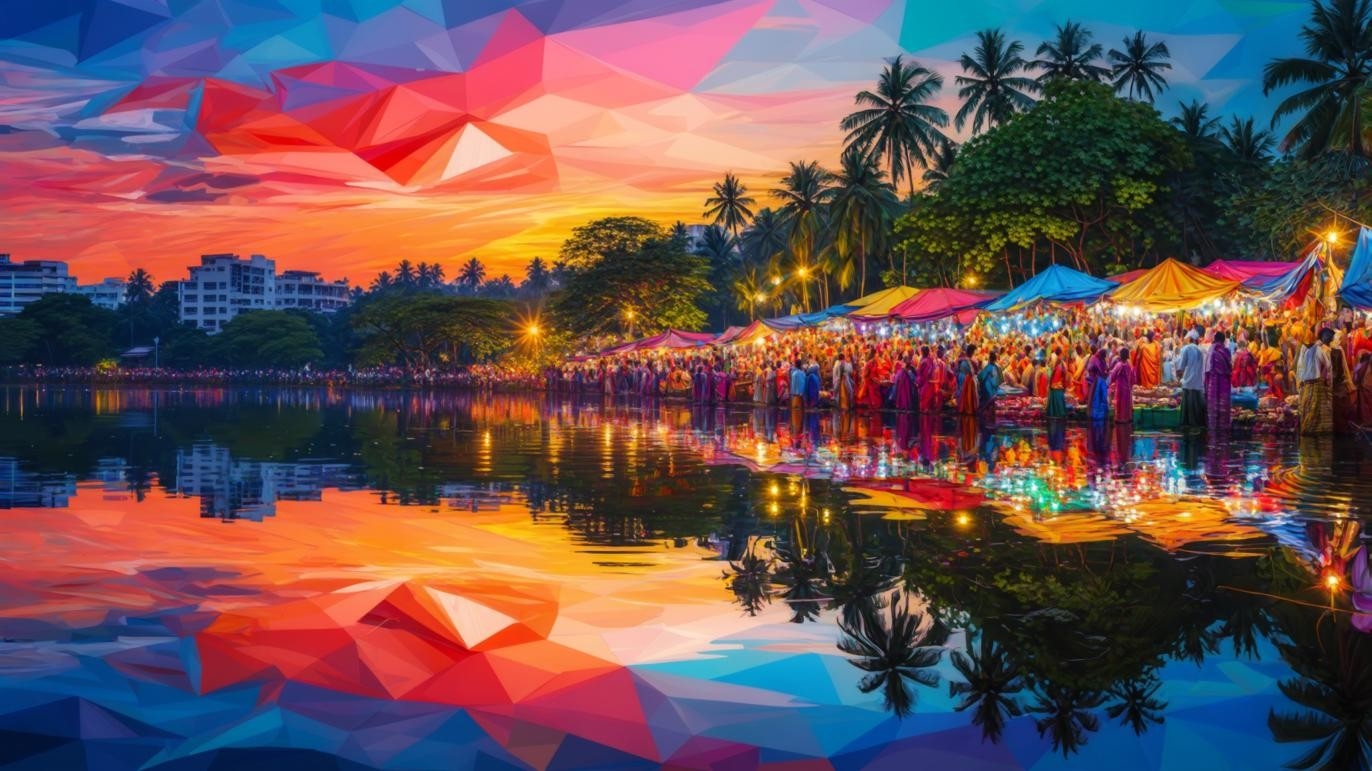
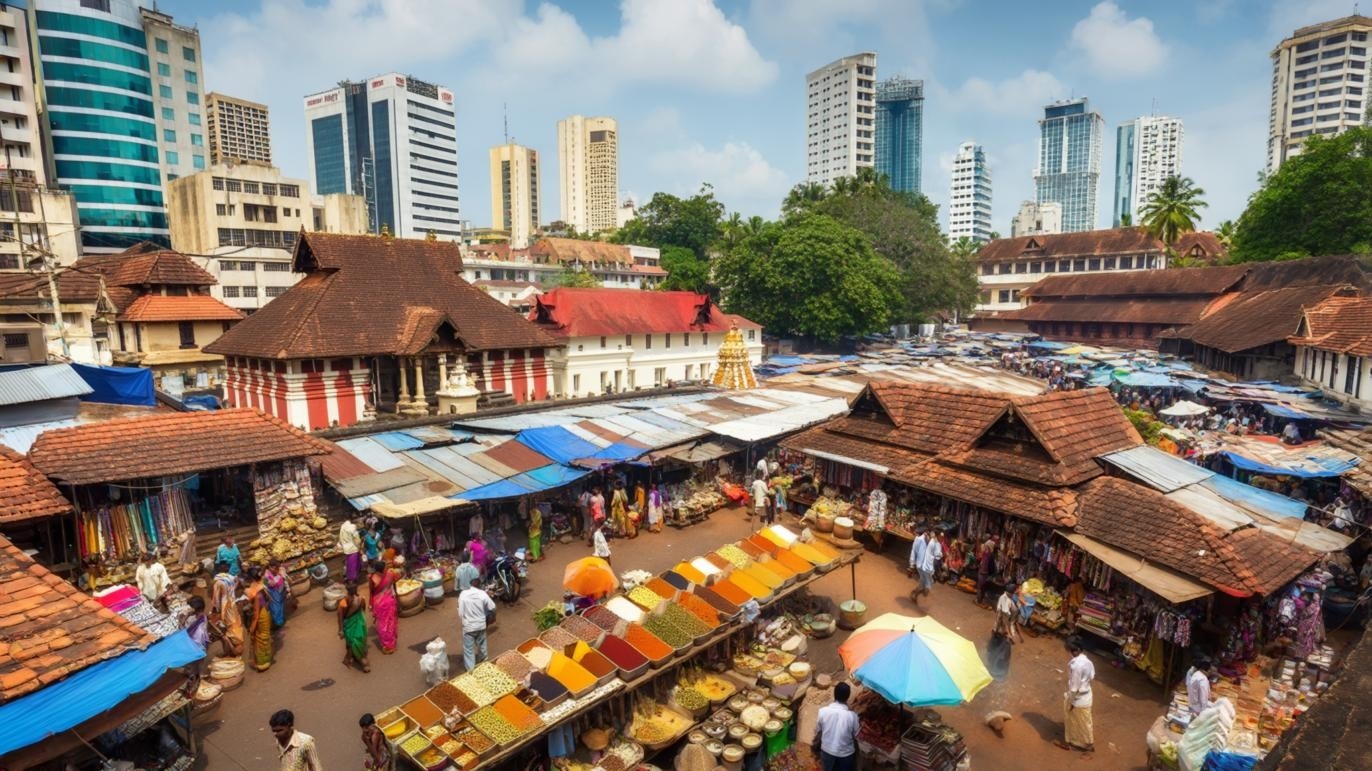
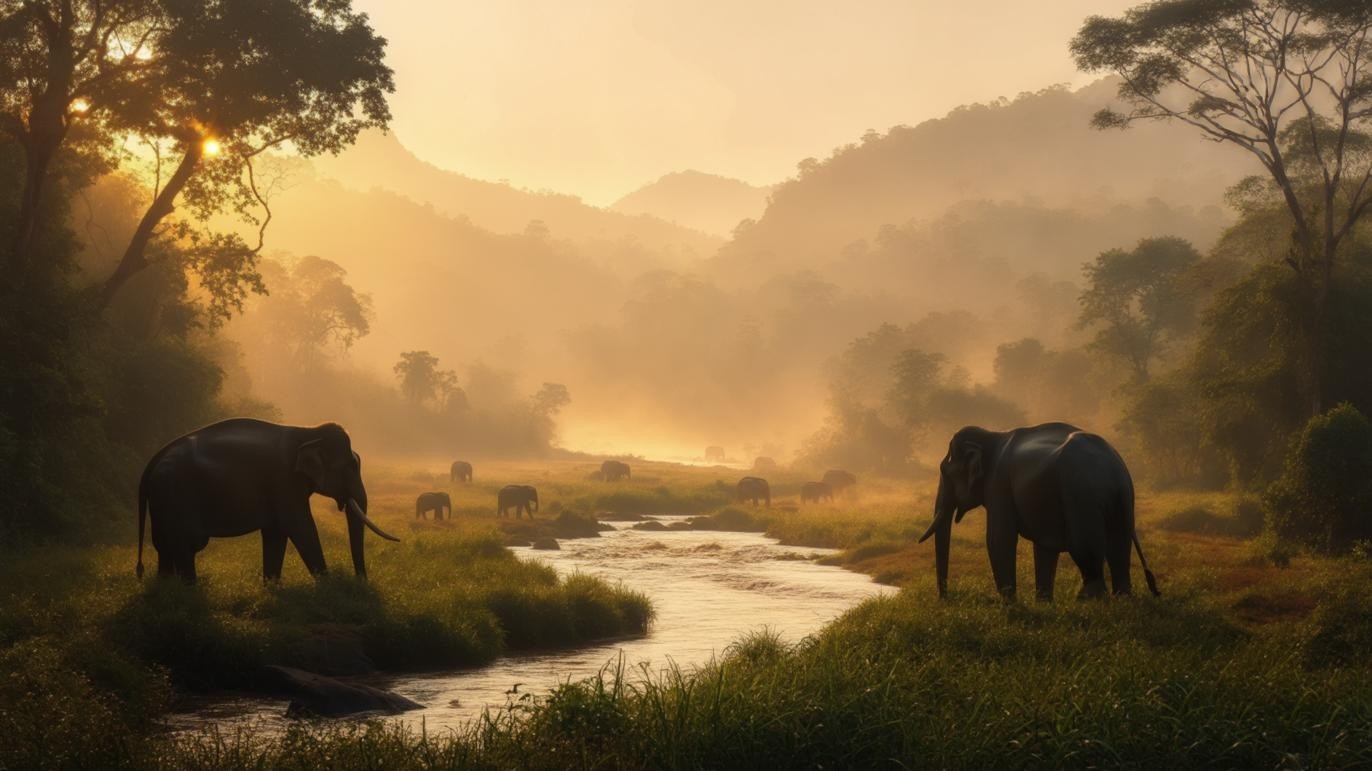
Kalutara is a vibrant coastal city in Sri Lanka’s Western Province, located approximately 40 km south of Colombo. Situated at the mouth of the Kalu Ganga (Black River), it is known for its stunning beaches, rich history, and cultural landmarks. As a major administrative and commercial hub, Kalutara blends natural beauty with historical significance, making it a popular destination for tourists and locals alike.

Key Attractions in Kalutara.

Kalutara Bodhiya and Temple
One of the most iconic landmarks is the Kalutara Bodhiya, a sacred Bodhi tree believed to be one of the 32 saplings from the Jaya Sri Maha Bodhi in Anuradhapura. Adjacent to it is the Kalutara Temple, housed within the world’s only hollow Buddhist stupa, a striking white structure visible from the main road. Visitors can explore the serene interior, adorned with murals depicting Buddhist teachings.

Kalutara Beach
The golden sands of Kalutara Beach attract visitors for swimming, surfing, and relaxation. The beach offers picturesque sunsets and is less crowded than other coastal spots, making it ideal for a peaceful retreat. Water sports and beachside cafes add to the vibrant atmosphere.

Kalutara Bridge
This historic bridge, also known as the "Kalu Ganga Bridge," is an architectural marvel connecting the city’s northern and southern parts. Built during the British colonial era, it offers scenic views of the river and estuary, especially at sunrise or sunset.

Richmond Castle
A short distance inland, Richmond Castle is a stunning Edwardian mansion blending European and Indian architectural styles. Built in the early 20th century, it showcases intricate woodwork and offers a glimpse into Sri Lanka’s colonial past. The surrounding gardens are perfect for a leisurely stroll.

Kalutara is renowned for its basket weaving and coir products, with local artisans crafting intricate items from palm leaves and coconut fibers. The city is also a hub for spice trading, particularly cinnamon, a key export of Sri Lanka. Annual festivals, such as the Kalutara Perahera, feature vibrant processions with traditional dancers, drummers, and decorated elephants, celebrating the region’s Buddhist heritage.

Beyond its beaches, Kalutara is surrounded by lush mangroves, lagoons, and rubber plantations. The nearby Brief Garden, designed by renowned landscaper Bevis Bawa, is a haven of tropical flora and artistic sculptures, offering a tranquil escape for nature lovers.

Kalutara is a perfect blend of spirituality, history, and natural beauty. Whether you’re exploring its sacred sites, relaxing on its beaches, or immersing yourself in its cultural traditions, Kalutara offers a memorable experience for every visitor.

image
image
image
image

Gampaha is a bustling district in the Western Province of Sri Lanka, known for its rich history, cultural diversity, and economic significance. Located just north of Colombo, the capital city, Gampaha serves as a key urban and suburban hub, blending traditional charm with modern development. The district covers an area of approximately 1,387 square kilometers and is home to a diverse population engaged in agriculture, trade, and industry.

Gampaha has deep historical roots, with evidence of ancient settlements and Buddhist heritage. The district is dotted with ancient temples, such as the Malwathuhiripitiya Raja Maha Vihara, which dates back centuries and showcases intricate architecture. During the colonial era, Gampaha was a center for spice trade and later became a hub for rubber and coconut plantations, shaping its economic landscape.

The district is renowned for its lush greenery and natural beauty. Key attractions include:

Henarathgoda Botanical Garden: Established in 1876, this garden is famous for introducing rubber to Sri Lanka. It houses a vast collection of tropical plants and trees, making it a popular spot for nature lovers.
Henerathgoda Lake: A serene location ideal for relaxation and birdwatching.
Pilikuththuwa Cave Temple: A historical cave complex with ancient rock inscriptions and Buddhist statues, nestled in a scenic forested area.

Gampaha is a significant economic contributor to Sri Lanka, with thriving industries in agriculture (coconut, rubber, and paddy), manufacturing, and small-scale enterprises. The district is also known for its vibrant markets, such as the Gampaha Bazaar, where locals trade fresh produce and handmade goods.

Culturally, Gampaha is a melting pot of Sinhala, Tamil, and Muslim communities, each contributing to the district’s festivals, cuisine, and traditions. Annual events like the Gampaha Perahera, a grand Buddhist procession, attract visitors from across the country.

Visitors to Gampaha can explore its natural, historical, and cultural sites. Activities include:

Visiting the botanical gardens for a peaceful retreat.
Exploring ancient temples and caves for a glimpse into Sri Lanka’s past.
Enjoying local cuisine, such as spicy curries and coconut-based dishes, at roadside eateries.

Gampaha is a dynamic district that seamlessly blends history, culture, and modernity. Whether you’re a history enthusiast, nature lover, or simply seeking an authentic Sri Lankan experience, Gampaha offers a unique and enriching journey.

image

Gampaha is a bustling district in the Western Province of Sri Lanka, known for its rich history, cultural diversity, and economic significance. Located just north of Colombo, the capital city, Gampaha serves as a key urban and suburban hub, blending traditional charm with modern development. The district covers an area of approximately 1,387 square kilometers and is home to a diverse population engaged in agriculture, trade, and industry.

Gampaha has deep historical roots, with evidence of ancient settlements and Buddhist heritage. The district is dotted with ancient temples, such as the Malwathuhiripitiya Raja Maha Vihara, which dates back centuries and showcases intricate architecture. During the colonial era, Gampaha was a center for spice trade and later became a hub for rubber and coconut plantations, shaping its economic landscape.

The district is renowned for its lush greenery and natural beauty. Key attractions include:

Henarathgoda Botanical Garden: Established in 1876, this garden is famous for introducing rubber to Sri Lanka. It houses a vast collection of tropical plants and trees, making it a popular spot for nature lovers.
Henerathgoda Lake: A serene location ideal for relaxation and birdwatching.
Pilikuththuwa Cave Temple: A historical cave complex with ancient rock inscriptions and Buddhist statues, nestled in a scenic forested area.

Gampaha is a significant economic contributor to Sri Lanka, with thriving industries in agriculture (coconut, rubber, and paddy), manufacturing, and small-scale enterprises. The district is also known for its vibrant markets, such as the Gampaha Bazaar, where locals trade fresh produce and handmade goods.

Culturally, Gampaha is a melting pot of Sinhala, Tamil, and Muslim communities, each contributing to the district’s festivals, cuisine, and traditions. Annual events like the Gampaha Perahera, a grand Buddhist procession, attract visitors from across the country.

Visitors to Gampaha can explore its natural, historical, and cultural sites. Activities include:

Visiting the botanical gardens for a peaceful retreat.
Exploring ancient temples and caves for a glimpse into Sri Lanka’s past.
Enjoying local cuisine, such as spicy curries and coconut-based dishes, at roadside eateries.

Gampaha is a dynamic district that seamlessly blends history, culture, and modernity. Whether you’re a history enthusiast, nature lover, or simply seeking an authentic Sri Lankan experience, Gampaha offers a unique and enriching journey.

image

Gampaha is a bustling district in the Western Province of Sri Lanka, known for its rich history, cultural diversity, and economic significance. Located just north of Colombo, the capital city, Gampaha serves as a key urban and suburban hub, blending traditional charm with modern development. The district covers an area of approximately 1,387 square kilometers and is home to a diverse population engaged in agriculture, trade, and industry.

Gampaha has deep historical roots, with evidence of ancient settlements and Buddhist heritage. The district is dotted with ancient temples, such as the Malwathuhiripitiya Raja Maha Vihara, which dates back centuries and showcases intricate architecture. During the colonial era, Gampaha was a center for spice trade and later became a hub for rubber and coconut plantations, shaping its economic landscape.

The district is renowned for its lush greenery and natural beauty. Key attractions include:

Henarathgoda Botanical Garden: Established in 1876, this garden is famous for introducing rubber to Sri Lanka. It houses a vast collection of tropical plants and trees, making it a popular spot for nature lovers.
Henerathgoda Lake: A serene location ideal for relaxation and birdwatching.
Pilikuththuwa Cave Temple: A historical cave complex with ancient rock inscriptions and Buddhist statues, nestled in a scenic forested area.

Gampaha is a significant economic contributor to Sri Lanka, with thriving industries in agriculture (coconut, rubber, and paddy), manufacturing, and small-scale enterprises. The district is also known for its vibrant markets, such as the Gampaha Bazaar, where locals trade fresh produce and handmade goods.

Culturally, Gampaha is a melting pot of Sinhala, Tamil, and Muslim communities, each contributing to the district’s festivals, cuisine, and traditions. Annual events like the Gampaha Perahera, a grand Buddhist procession, attract visitors from across the country.

Visitors to Gampaha can explore its natural, historical, and cultural sites. Activities include:

Visiting the botanical gardens for a peaceful retreat.
Exploring ancient temples and caves for a glimpse into Sri Lanka’s past.
Enjoying local cuisine, such as spicy curries and coconut-based dishes, at roadside eateries.

Gampaha is a dynamic district that seamlessly blends history, culture, and modernity. Whether you’re a history enthusiast, nature lover, or simply seeking an authentic Sri Lankan experience, Gampaha offers a unique and enriching journey.

image

Gampaha is a bustling district in the Western Province of Sri Lanka, known for its rich history, cultural diversity, and economic significance. Located just north of Colombo, the capital city, Gampaha serves as a key urban and suburban hub, blending traditional charm with modern development. The district covers an area of approximately 1,387 square kilometers and is home to a diverse population engaged in agriculture, trade, and industry.

Gampaha has deep historical roots, with evidence of ancient settlements and Buddhist heritage. The district is dotted with ancient temples, such as the Malwathuhiripitiya Raja Maha Vihara, which dates back centuries and showcases intricate architecture. During the colonial era, Gampaha was a center for spice trade and later became a hub for rubber and coconut plantations, shaping its economic landscape.

The district is renowned for its lush greenery and natural beauty. Key attractions include:

Henarathgoda Botanical Garden: Established in 1876, this garden is famous for introducing rubber to Sri Lanka. It houses a vast collection of tropical plants and trees, making it a popular spot for nature lovers.
Henerathgoda Lake: A serene location ideal for relaxation and birdwatching.
Pilikuththuwa Cave Temple: A historical cave complex with ancient rock inscriptions and Buddhist statues, nestled in a scenic forested area.

Gampaha is a significant economic contributor to Sri Lanka, with thriving industries in agriculture (coconut, rubber, and paddy), manufacturing, and small-scale enterprises. The district is also known for its vibrant markets, such as the Gampaha Bazaar, where locals trade fresh produce and handmade goods.

Culturally, Gampaha is a melting pot of Sinhala, Tamil, and Muslim communities, each contributing to the district’s festivals, cuisine, and traditions. Annual events like the Gampaha Perahera, a grand Buddhist procession, attract visitors from across the country.

Visitors to Gampaha can explore its natural, historical, and cultural sites. Activities include:

Visiting the botanical gardens for a peaceful retreat.
Exploring ancient temples and caves for a glimpse into Sri Lanka’s past.
Enjoying local cuisine, such as spicy curries and coconut-based dishes, at roadside eateries.

Gampaha is a dynamic district that seamlessly blends history, culture, and modernity. Whether you’re a history enthusiast, nature lover, or simply seeking an authentic Sri Lankan experience, Gampaha offers a unique and enriching journey.

image

Gampaha is a bustling district in the Western Province of Sri Lanka, known for its rich history, cultural diversity, and economic significance. Located just north of Colombo, the capital city, Gampaha serves as a key urban and suburban hub, blending traditional charm with modern development. The district covers an area of approximately 1,387 square kilometers and is home to a diverse population engaged in agriculture, trade, and industry.

Gampaha has deep historical roots, with evidence of ancient settlements and Buddhist heritage. The district is dotted with ancient temples, such as the Malwathuhiripitiya Raja Maha Vihara, which dates back centuries and showcases intricate architecture. During the colonial era, Gampaha was a center for spice trade and later became a hub for rubber and coconut plantations, shaping its economic landscape.

The district is renowned for its lush greenery and natural beauty. Key attractions include:

Henarathgoda Botanical Garden: Established in 1876, this garden is famous for introducing rubber to Sri Lanka. It houses a vast collection of tropical plants and trees, making it a popular spot for nature lovers.
Henerathgoda Lake: A serene location ideal for relaxation and birdwatching.
Pilikuththuwa Cave Temple: A historical cave complex with ancient rock inscriptions and Buddhist statues, nestled in a scenic forested area.

Gampaha is a significant economic contributor to Sri Lanka, with thriving industries in agriculture (coconut, rubber, and paddy), manufacturing, and small-scale enterprises. The district is also known for its vibrant markets, such as the Gampaha Bazaar, where locals trade fresh produce and handmade goods.

Culturally, Gampaha is a melting pot of Sinhala, Tamil, and Muslim communities, each contributing to the district’s festivals, cuisine, and traditions. Annual events like the Gampaha Perahera, a grand Buddhist procession, attract visitors from across the country.

Visitors to Gampaha can explore its natural, historical, and cultural sites. Activities include:

Visiting the botanical gardens for a peaceful retreat.
Exploring ancient temples and caves for a glimpse into Sri Lanka’s past.
Enjoying local cuisine, such as spicy curries and coconut-based dishes, at roadside eateries.

Gampaha is a dynamic district that seamlessly blends history, culture, and modernity. Whether you’re a history enthusiast, nature lover, or simply seeking an authentic Sri Lankan experience, Gampaha offers a unique and enriching journey.

image
image
image
image

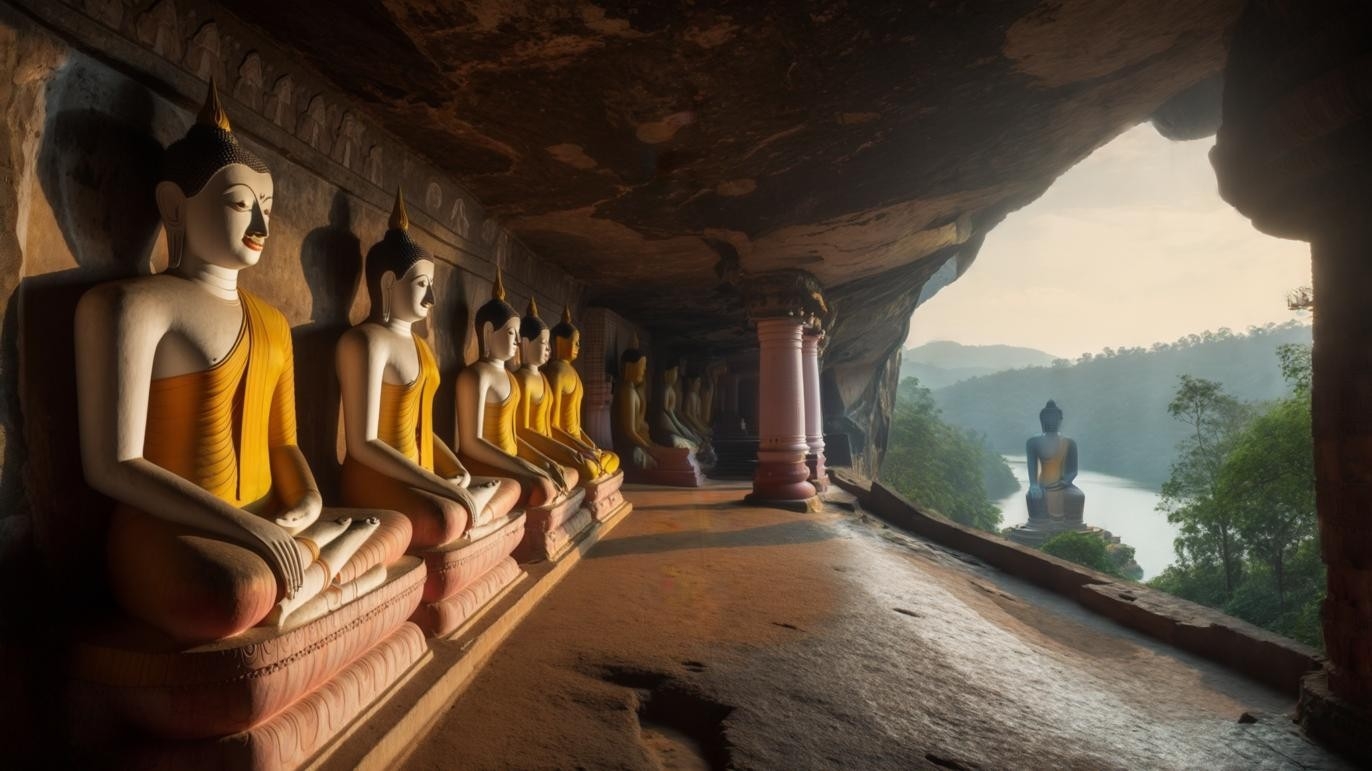
Moneragala is home to the revered Moneragala Rajamaha Viharaya, also known as Mayuragiri Len Viharaya, a rock temple featuring ancient caves adorned with intricate wall paintings and statues. This sacred site attracts visitors seeking spiritual and historical insights. Nearby, in Maligavila, stands one of Sri Lanka’s tallest Buddha statues, a monumental testament to the region’s deep-rooted Buddhist heritage. These sites make Moneragala a compelling destination for those interested in Sri Lanka’s rich cultural tapestry.

The Moneragala District is a heaven for nature lovers, boasting diverse ecosystems and stunning landscapes. Key attractions include:

Gal Oya National Park: A biodiversity hotspot, partially shared with the Eastern Province, offering opportunities to spot wildlife such as elephants, leopards, and exotic birds.
Yala National Park: Straddling the Southern and Eastern Provinces, this park is renowned for its leopard population and scenic beauty.
Waterways and Reservoirs: The district is crisscrossed by rivers like Menik Ganga, Gal Oya, Heda Oya, Wila Oya, and Kumbukkan Oya. The Senanayake Samudraya and Maduru Oya Reservoirs, along with Muthukandiya Reservoir, are vital waterways supporting agriculture and offering picturesque views.
Uplands: The Gal Oya hills and Central Mountains provide breathtaking vistas and hiking opportunities, making the region ideal for adventure seekers.

Moneragala’s tourism scene is understated but rich with authentic experiences. Visitors can explore:

Waterfalls: While Dunhinda, Diyaluma, and Rawana Falls are more associated with Uva Province as a whole, their proximity makes them accessible for day trips from Moneragala.
Local Cuisine: In nearby Bibile, roadside stalls offer delicious rotis and ginger tea, providing a taste of authentic Sri Lankan village fare.
Wildlife Observation: The district is a birdwatcher’s paradise, with recent eBird records noting 13 species in Moneragala Town alone, making it a great spot for eco-tourism.

Despite its economic challenges, Moneragala offers a unique blend of cultural heritage, natural beauty, and authentic local experiences. Its serene temples, vast national parks, and warm community make it an ideal destination for travelers seeking an off-the-beaten-path adventure in Sri Lanka. Whether you’re exploring ancient caves, spotting wildlife, or savoring local delicacies, Moneragala promises a journey filled with discovery and tranquility.

image

Moneragala is home to the revered Moneragala Rajamaha Viharaya, also known as Mayuragiri Len Viharaya, a rock temple featuring ancient caves adorned with intricate wall paintings and statues. This sacred site attracts visitors seeking spiritual and historical insights. Nearby, in Maligavila, stands one of Sri Lanka’s tallest Buddha statues, a monumental testament to the region’s deep-rooted Buddhist heritage. These sites make Moneragala a compelling destination for those interested in Sri Lanka’s rich cultural tapestry.

The Moneragala District is a heaven for nature lovers, boasting diverse ecosystems and stunning landscapes. Key attractions include:

Gal Oya National Park: A biodiversity hotspot, partially shared with the Eastern Province, offering opportunities to spot wildlife such as elephants, leopards, and exotic birds.
Yala National Park: Straddling the Southern and Eastern Provinces, this park is renowned for its leopard population and scenic beauty.
Waterways and Reservoirs: The district is crisscrossed by rivers like Menik Ganga, Gal Oya, Heda Oya, Wila Oya, and Kumbukkan Oya. The Senanayake Samudraya and Maduru Oya Reservoirs, along with Muthukandiya Reservoir, are vital waterways supporting agriculture and offering picturesque views.
Uplands: The Gal Oya hills and Central Mountains provide breathtaking vistas and hiking opportunities, making the region ideal for adventure seekers.

Moneragala’s tourism scene is understated but rich with authentic experiences. Visitors can explore:

Waterfalls: While Dunhinda, Diyaluma, and Rawana Falls are more associated with Uva Province as a whole, their proximity makes them accessible for day trips from Moneragala.
Local Cuisine: In nearby Bibile, roadside stalls offer delicious rotis and ginger tea, providing a taste of authentic Sri Lankan village fare.
Wildlife Observation: The district is a birdwatcher’s paradise, with recent eBird records noting 13 species in Moneragala Town alone, making it a great spot for eco-tourism.

Despite its economic challenges, Moneragala offers a unique blend of cultural heritage, natural beauty, and authentic local experiences. Its serene temples, vast national parks, and warm community make it an ideal destination for travelers seeking an off-the-beaten-path adventure in Sri Lanka. Whether you’re exploring ancient caves, spotting wildlife, or savoring local delicacies, Moneragala promises a journey filled with discovery and tranquility.

image

Moneragala is home to the revered Moneragala Rajamaha Viharaya, also known as Mayuragiri Len Viharaya, a rock temple featuring ancient caves adorned with intricate wall paintings and statues. This sacred site attracts visitors seeking spiritual and historical insights. Nearby, in Maligavila, stands one of Sri Lanka’s tallest Buddha statues, a monumental testament to the region’s deep-rooted Buddhist heritage. These sites make Moneragala a compelling destination for those interested in Sri Lanka’s rich cultural tapestry.

The Moneragala District is a heaven for nature lovers, boasting diverse ecosystems and stunning landscapes. Key attractions include:

Gal Oya National Park: A biodiversity hotspot, partially shared with the Eastern Province, offering opportunities to spot wildlife such as elephants, leopards, and exotic birds.
Yala National Park: Straddling the Southern and Eastern Provinces, this park is renowned for its leopard population and scenic beauty.
Waterways and Reservoirs: The district is crisscrossed by rivers like Menik Ganga, Gal Oya, Heda Oya, Wila Oya, and Kumbukkan Oya. The Senanayake Samudraya and Maduru Oya Reservoirs, along with Muthukandiya Reservoir, are vital waterways supporting agriculture and offering picturesque views.
Uplands: The Gal Oya hills and Central Mountains provide breathtaking vistas and hiking opportunities, making the region ideal for adventure seekers.

Moneragala’s tourism scene is understated but rich with authentic experiences. Visitors can explore:

Waterfalls: While Dunhinda, Diyaluma, and Rawana Falls are more associated with Uva Province as a whole, their proximity makes them accessible for day trips from Moneragala.
Local Cuisine: In nearby Bibile, roadside stalls offer delicious rotis and ginger tea, providing a taste of authentic Sri Lankan village fare.
Wildlife Observation: The district is a birdwatcher’s paradise, with recent eBird records noting 13 species in Moneragala Town alone, making it a great spot for eco-tourism.

Despite its economic challenges, Moneragala offers a unique blend of cultural heritage, natural beauty, and authentic local experiences. Its serene temples, vast national parks, and warm community make it an ideal destination for travelers seeking an off-the-beaten-path adventure in Sri Lanka. Whether you’re exploring ancient caves, spotting wildlife, or savoring local delicacies, Moneragala promises a journey filled with discovery and tranquility.

image

Moneragala is home to the revered Moneragala Rajamaha Viharaya, also known as Mayuragiri Len Viharaya, a rock temple featuring ancient caves adorned with intricate wall paintings and statues. This sacred site attracts visitors seeking spiritual and historical insights. Nearby, in Maligavila, stands one of Sri Lanka’s tallest Buddha statues, a monumental testament to the region’s deep-rooted Buddhist heritage. These sites make Moneragala a compelling destination for those interested in Sri Lanka’s rich cultural tapestry.

The Moneragala District is a heaven for nature lovers, boasting diverse ecosystems and stunning landscapes. Key attractions include:

Gal Oya National Park: A biodiversity hotspot, partially shared with the Eastern Province, offering opportunities to spot wildlife such as elephants, leopards, and exotic birds.
Yala National Park: Straddling the Southern and Eastern Provinces, this park is renowned for its leopard population and scenic beauty.
Waterways and Reservoirs: The district is crisscrossed by rivers like Menik Ganga, Gal Oya, Heda Oya, Wila Oya, and Kumbukkan Oya. The Senanayake Samudraya and Maduru Oya Reservoirs, along with Muthukandiya Reservoir, are vital waterways supporting agriculture and offering picturesque views.
Uplands: The Gal Oya hills and Central Mountains provide breathtaking vistas and hiking opportunities, making the region ideal for adventure seekers.

Moneragala’s tourism scene is understated but rich with authentic experiences. Visitors can explore:

Waterfalls: While Dunhinda, Diyaluma, and Rawana Falls are more associated with Uva Province as a whole, their proximity makes them accessible for day trips from Moneragala.
Local Cuisine: In nearby Bibile, roadside stalls offer delicious rotis and ginger tea, providing a taste of authentic Sri Lankan village fare.
Wildlife Observation: The district is a birdwatcher’s paradise, with recent eBird records noting 13 species in Moneragala Town alone, making it a great spot for eco-tourism.

Despite its economic challenges, Moneragala offers a unique blend of cultural heritage, natural beauty, and authentic local experiences. Its serene temples, vast national parks, and warm community make it an ideal destination for travelers seeking an off-the-beaten-path adventure in Sri Lanka. Whether you’re exploring ancient caves, spotting wildlife, or savoring local delicacies, Moneragala promises a journey filled with discovery and tranquility.

image