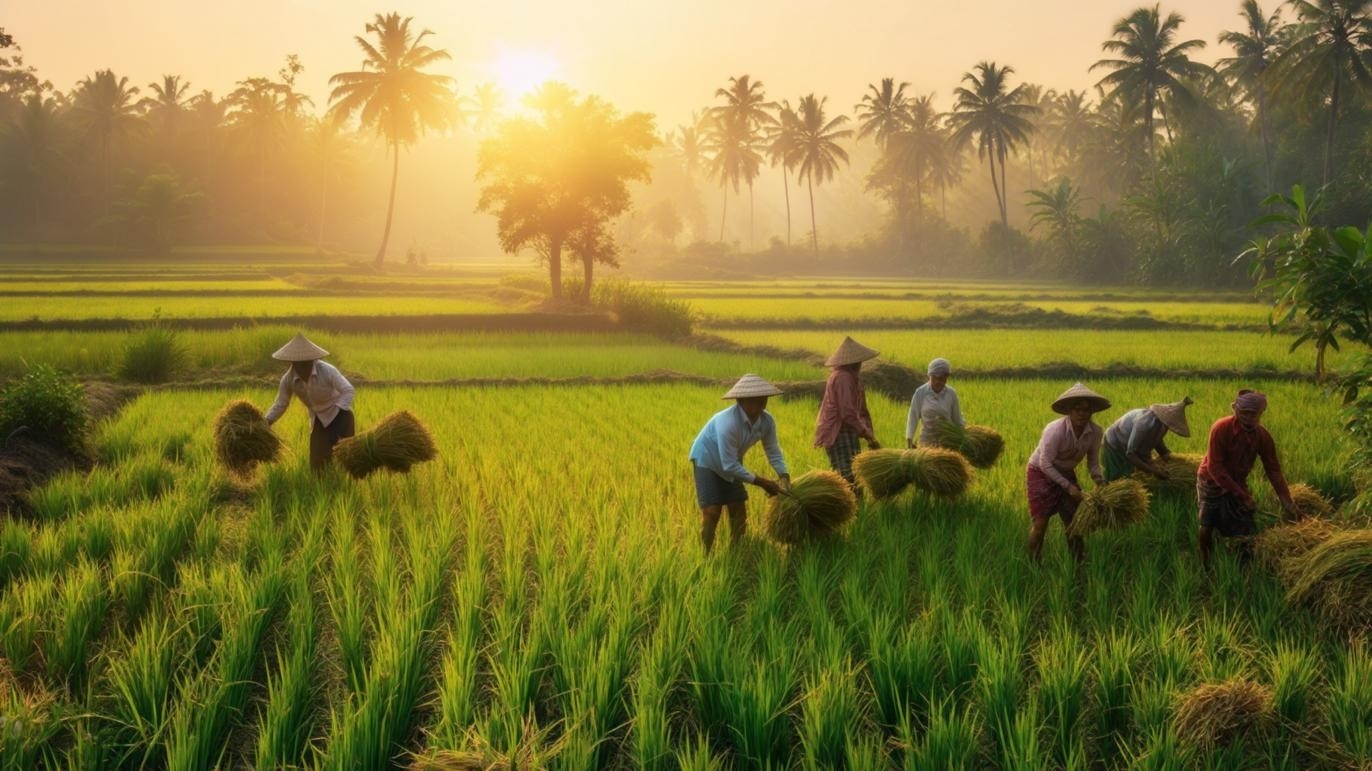
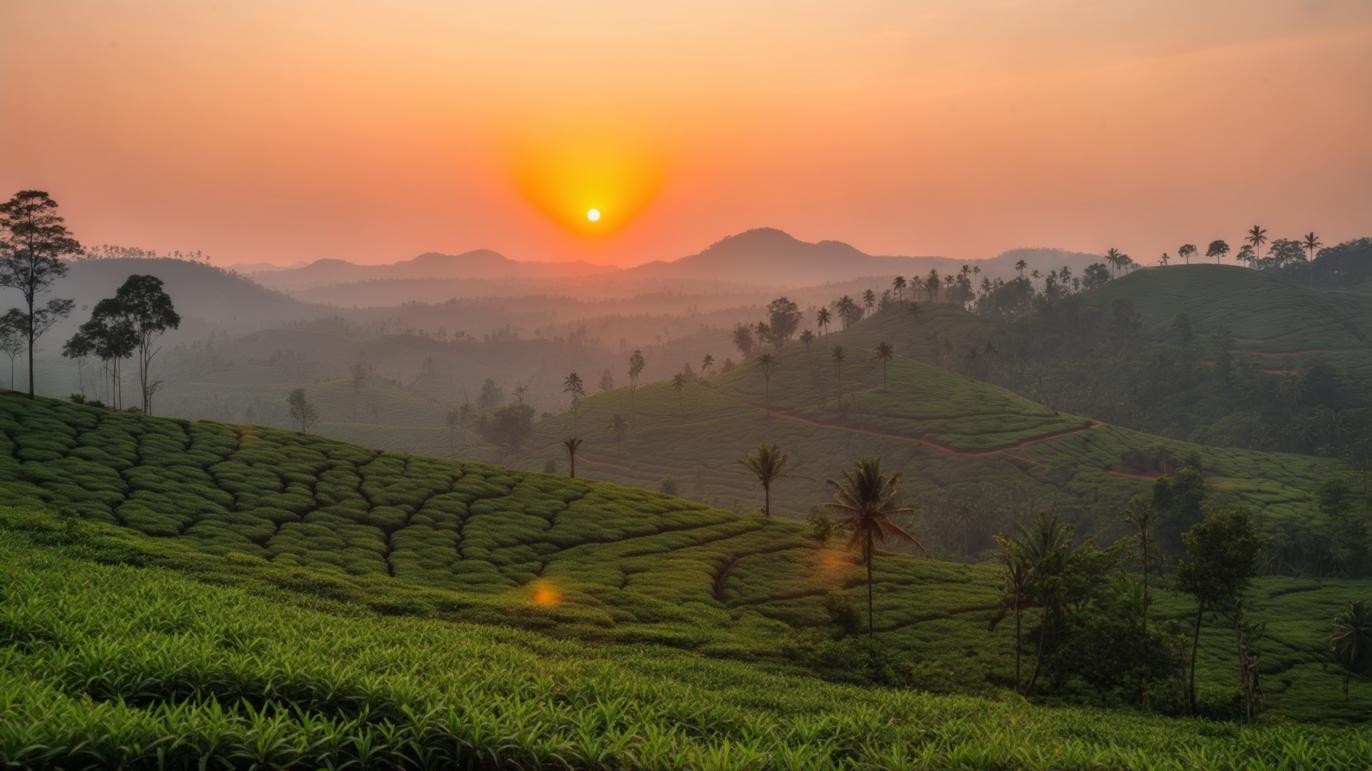
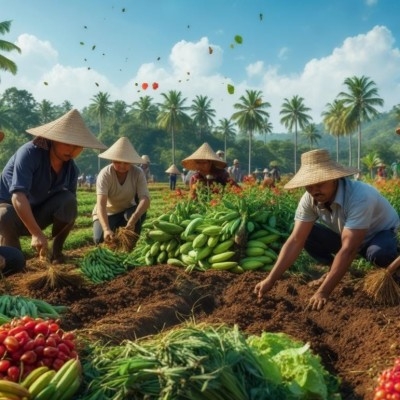
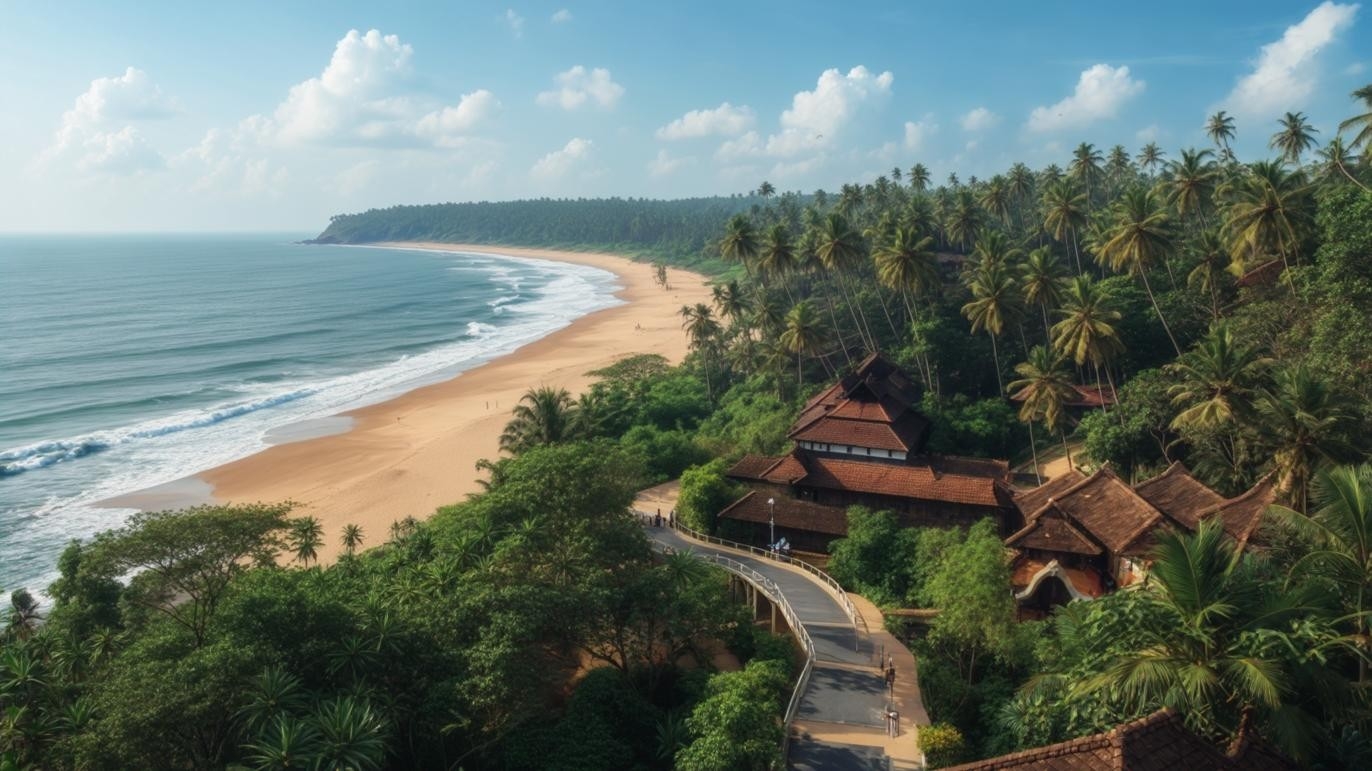
Agritourism in Sri Lanka is an emerging and promising sector that combines the country's rich agricultural heritage with its growing tourism industry. It offers visitors a chance to experience rural life, traditional farming practices, and the natural beauty of the island while providing farmers and rural communities with additional income and economic opportunities.
Agritourism in Sri Lanka is still in its early stages, with a few privately owned farms (e.g., CIC Farm in Hingurakgoda, Paradise Farm in Kitulgala, New Zealand Farm in Nuwara Eliya) and eco-retreats leading the way. The end of the civil war in 2009, improved infrastructure, and a stable economy have boosted tourism, creating a ripe opportunity to attract both local and foreign visitors. With its rich soil, diverse climates, and warm hospitality, Sri Lanka has the potential to become a global leader in eco-conscious agritourism, blending agriculture, culture, and sustainable travel.

image

Agritourism in Sri Lanka is an emerging and promising sector that combines the country's rich agricultural heritage with its growing tourism industry. It offers visitors a chance to experience rural life, traditional farming practices, and the natural beauty of the island while providing farmers and rural communities with additional income and economic opportunities.
Agritourism in Sri Lanka is still in its early stages, with a few privately owned farms (e.g., CIC Farm in Hingurakgoda, Paradise Farm in Kitulgala, New Zealand Farm in Nuwara Eliya) and eco-retreats leading the way. The end of the civil war in 2009, improved infrastructure, and a stable economy have boosted tourism, creating a ripe opportunity to attract both local and foreign visitors. With its rich soil, diverse climates, and warm hospitality, Sri Lanka has the potential to become a global leader in eco-conscious agritourism, blending agriculture, culture, and sustainable travel.

image

Agritourism in Sri Lanka is an emerging and promising sector that combines the country's rich agricultural heritage with its growing tourism industry. It offers visitors a chance to experience rural life, traditional farming practices, and the natural beauty of the island while providing farmers and rural communities with additional income and economic opportunities.
Agritourism in Sri Lanka is still in its early stages, with a few privately owned farms (e.g., CIC Farm in Hingurakgoda, Paradise Farm in Kitulgala, New Zealand Farm in Nuwara Eliya) and eco-retreats leading the way. The end of the civil war in 2009, improved infrastructure, and a stable economy have boosted tourism, creating a ripe opportunity to attract both local and foreign visitors. With its rich soil, diverse climates, and warm hospitality, Sri Lanka has the potential to become a global leader in eco-conscious agritourism, blending agriculture, culture, and sustainable travel.

image
image
image

Accessible Travel, also known as Accessible Tourism, refers to the provision of travel experiences, destinations, accommodations, and services that are designed to be inclusive for all individuals, regardless of physical disabilities, mobility limitations, sensory impairments, or age-related challenges. It aims to remove barriers—physical, informational, or attitudinal—ensuring equal access to tourism activities.
Main Points of Accessible Travel/Tourism:

Inclusive Infrastructure: Ramps, elevators, accessible restrooms, and tactile paths in hotels, attractions, and public spaces cater to mobility and sensory needs.
Adapted Services: Tailored offerings like wheelchair-accessible transportation, sign language guides, or braille menus ensure usability for diverse travelers.
Universal Design: Tourism facilities and activities are designed to accommodate everyone, including those with disabilities, elderly travelers, or families with young children.
Empowering Participation: Enables people with disabilities to enjoy similar travel experiences as others, such as sightseeing, adventure activities, or cultural tours, fostering independence and inclusion.
Awareness and Training: Staff training and awareness campaigns address misconceptions, ensuring respectful and knowledgeable service for all travelers.

In Sri Lanka, accessible tourism is growing, with efforts to improve facilities at key sites like Sigiriya and national parks, though challenges remain in achieving universal accessibility.

image

Sri Lanka, a tropical island with ancient heritage sites, pristine beaches, and lush highlands, welcomed 2.5 million tourists in 2018, generating US$5.6 billion. However, the tourism industry faced a 92% decline in 2020 due to the COVID-19 pandemic. As the sector recovers, the Sri Lanka Tourism Development Authority (SLTDA) is promoting sustainable and niche tourism, including efforts to enhance accessibility for travelers with disabilities, seniors, and those with mobility challenges. Accessible tourism in Sri Lanka is still developing, but there are notable initiatives and opportunities to make the country’s attractions more inclusive.

image

Sri Lanka, a tropical island with ancient heritage sites, pristine beaches, and lush highlands, welcomed 2.5 million tourists in 2018, generating US$5.6 billion. However, the tourism industry faced a 92% decline in 2020 due to the COVID-19 pandemic. As the sector recovers, the Sri Lanka Tourism Development Authority (SLTDA) is promoting sustainable and niche tourism, including efforts to enhance accessibility for travelers with disabilities, seniors, and those with mobility challenges. Accessible tourism in Sri Lanka is still developing, but there are notable initiatives and opportunities to make the country’s attractions more inclusive.

image

Sri Lanka, a tropical island with ancient heritage sites, pristine beaches, and lush highlands, welcomed 2.5 million tourists in 2018, generating US$5.6 billion. However, the tourism industry faced a 92% decline in 2020 due to the COVID-19 pandemic. As the sector recovers, the Sri Lanka Tourism Development Authority (SLTDA) is promoting sustainable and niche tourism, including efforts to enhance accessibility for travelers with disabilities, seniors, and those with mobility challenges. Accessible tourism in Sri Lanka is still developing, but there are notable initiatives and opportunities to make the country’s attractions more inclusive.

image

Sri Lanka, a tropical island with ancient heritage sites, pristine beaches, and lush highlands, welcomed 2.5 million tourists in 2018, generating US$5.6 billion. However, the tourism industry faced a 92% decline in 2020 due to the COVID-19 pandemic. As the sector recovers, the Sri Lanka Tourism Development Authority (SLTDA) is promoting sustainable and niche tourism, including efforts to enhance accessibility for travelers with disabilities, seniors, and those with mobility challenges. Accessible tourism in Sri Lanka is still developing, but there are notable initiatives and opportunities to make the country’s attractions more inclusive.

image
image
image

Sri Lanka, with its diverse landscapes ranging from rugged mountains and dense jungles to cascading waterfalls and turbulent rivers, is an emerging destination for extreme tourism. The island offers adrenaline-pumping activities that attract thrill-seekers while showcasing its natural beauty. Below are some of the top extreme tourism experiences in Sri Lanka, designed to deliver an exhilarating rush through high-risk adventures.

image

Sri Lanka, with its diverse landscapes ranging from rugged mountains and dense jungles to cascading waterfalls and turbulent rivers, is an emerging destination for extreme tourism. The island offers adrenaline-pumping activities that attract thrill-seekers while showcasing its natural beauty. Below are some of the top extreme tourism experiences in Sri Lanka, designed to deliver an exhilarating rush through high-risk adventures.

image