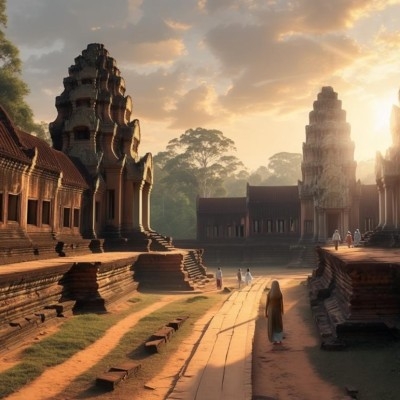
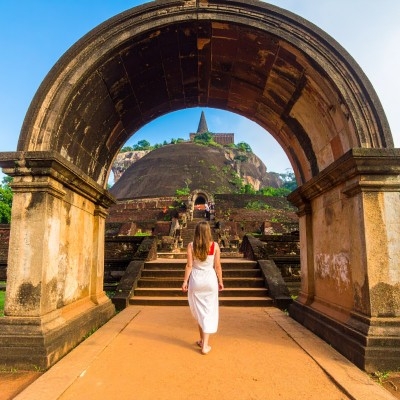
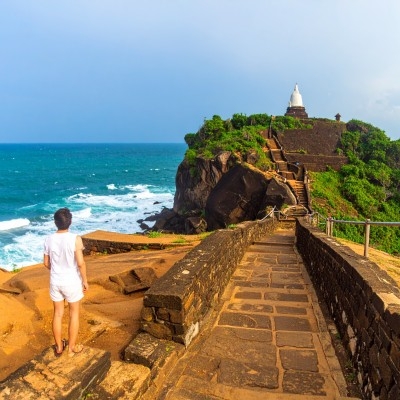
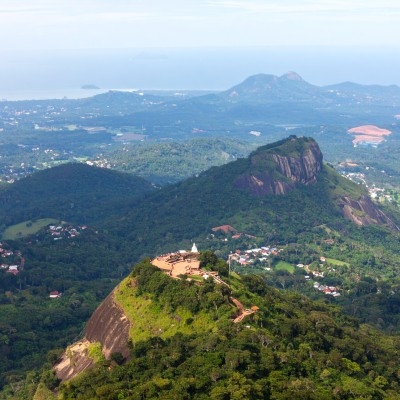
Domestic tourism in Sri Lanka involves residents traveling within the country for leisure, family visits, pilgrimages, or other purposes.Domestic tourism is expected to remain a key pillar of Sri Lanka’s tourism sector, with a focus on sustainable practices and catering to an aging population and solo female travelers.

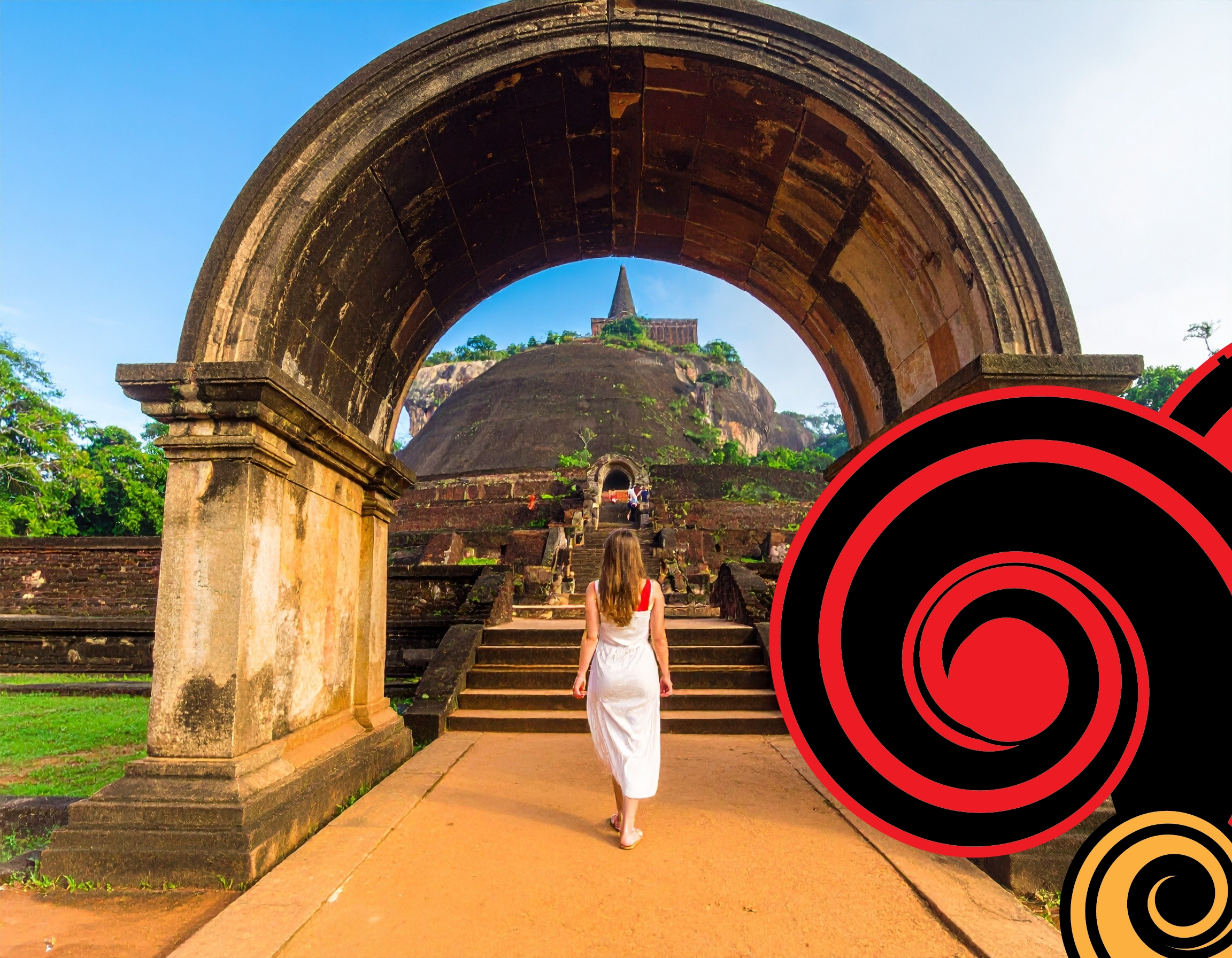
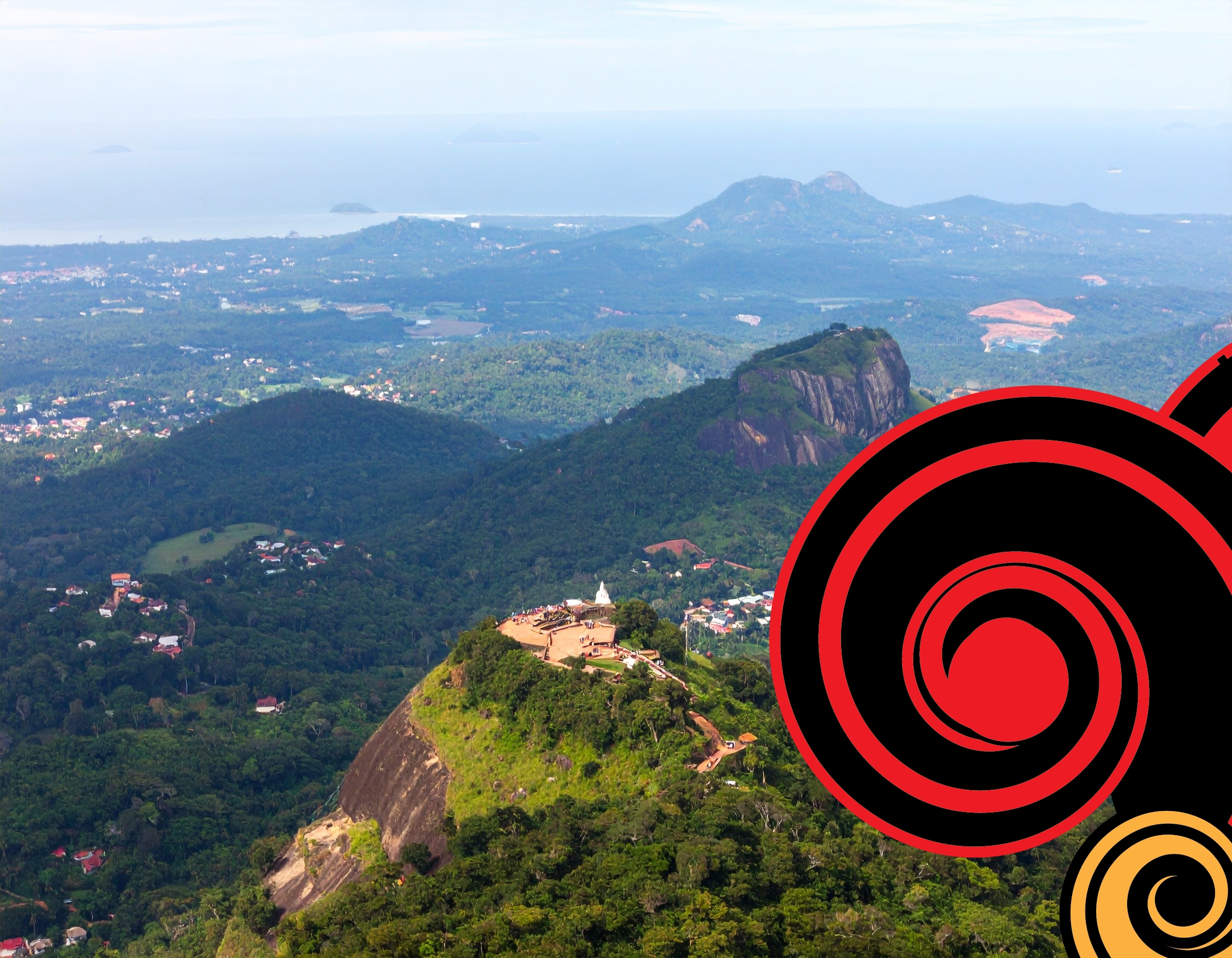
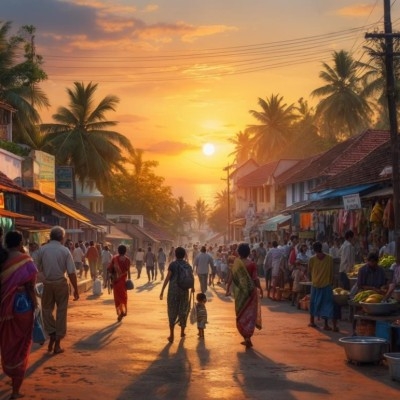
Domestic tourism in Sri Lanka, where residents explore their own country, is a cornerstone of the nation’s tourism sector, fostering economic resilience and cultural pride. From pilgrimages to sacred sites like Anuradhapura and Kataragama to leisure trips to scenic Nuwara Eliya or vibrant coastal towns like Trincomalee, Sri Lankans travel for spiritual, family, and recreational purposes, with around six million domestic trips recorded in 2014. Despite challenges like the 2022 economic crisis, which strained travel with high inflation and fuel shortages, domestic tourism has sustained local businesses, supported 190,521 tourism jobs, and mitigated losses during low international arrivals. Promoted by the Sri Lanka Tourism Development Authority, this sector is poised for growth, driven by trends like wellness retreats, eco-tourism, and social media-inspired travel, ensuring a vibrant future for local exploration.
image
image
image

Experiential travel in Sri Lanka offers a vibrant way to connect with the island’s rich history, diverse culture, warm people, and flavorful cuisine.

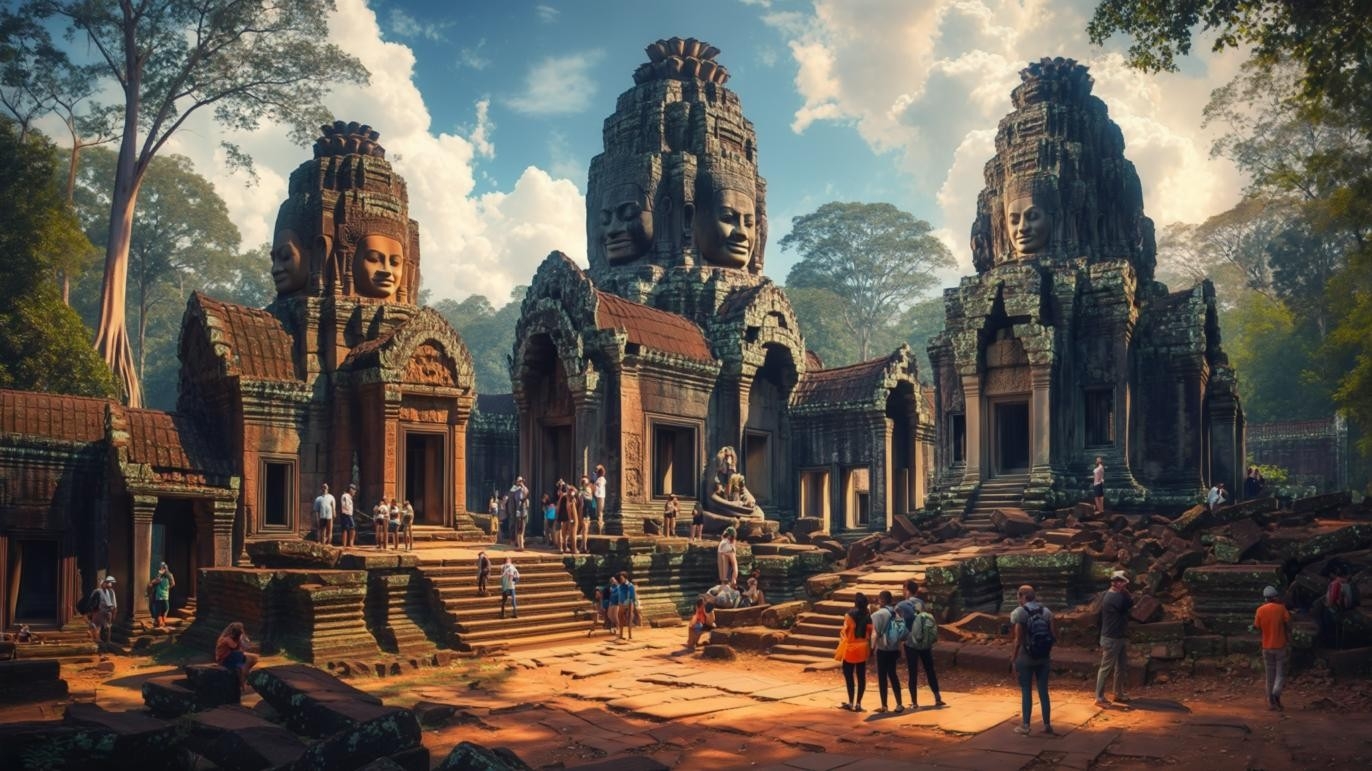
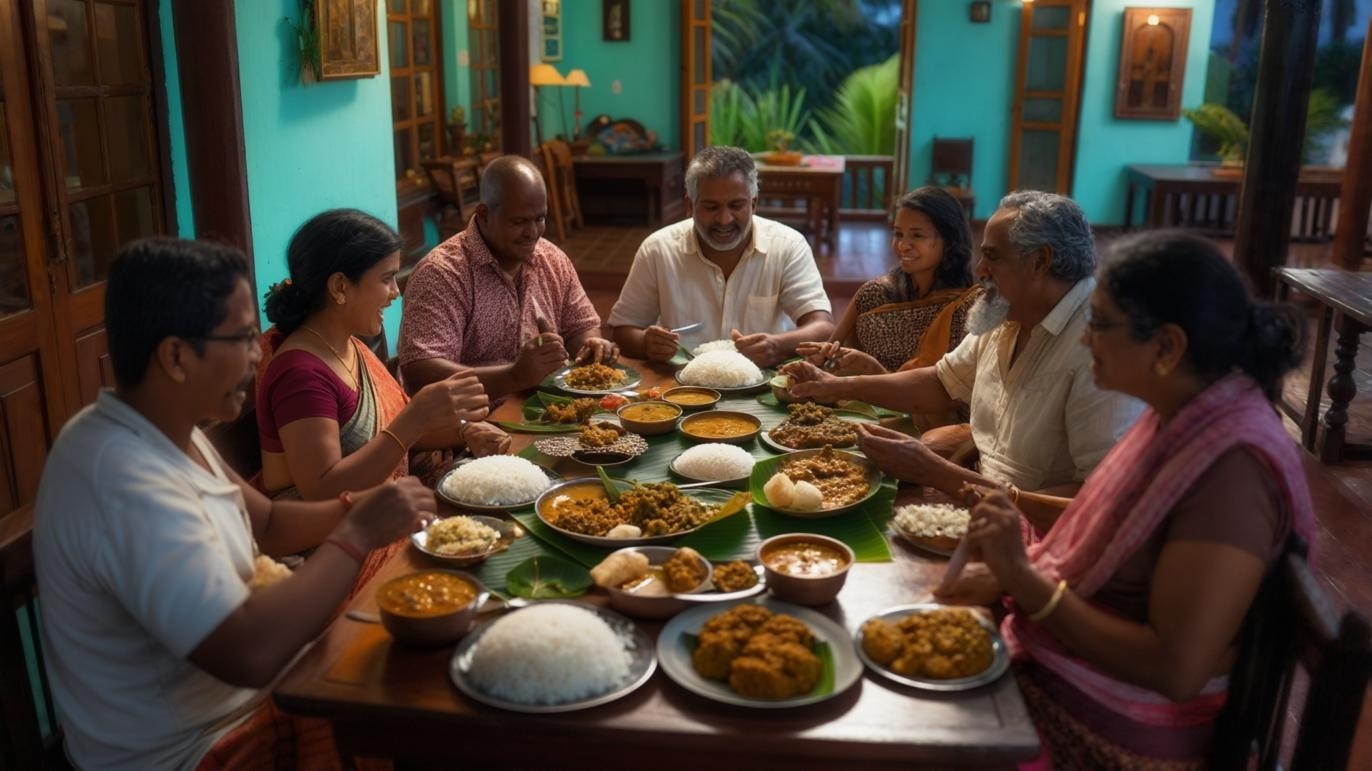
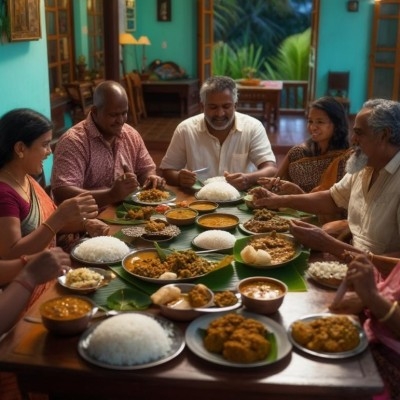
Sri Lanka’s compact size makes it ideal for experiential travel, allowing you to move from ancient ruins to tea-clad hills, vibrant festivals, and spice-filled kitchens in a single trip. Its people are known for their hospitality, often inviting travelers to share meals or join ceremonies, creating a sense of belonging. The island’s cuisine, rooted in rice, coconut, and spices, reflects its history of Indian, Malay, and colonial influences, offering a sensory journey.

For a tailored 12-day luxury experiential tour, consider starting in Colombo, exploring the Cultural Triangle, relaxing in Tea Country, and ending in Galle Fort, as offered by Jacada Travel. For budget-conscious travelers, hitchhiking or staying with host families provides authentic connections, as locals love sharing their culture.
Sri Lanka transforms visitors into part of its extended family, leaving you with stories, flavors, and friendships that linger long after you leave.

image

Experiential travel in Sri Lanka offers a vibrant way to connect with the island’s rich history, diverse culture, warm people, and flavorful cuisine.

Sri Lanka’s compact size makes it ideal for experiential travel, allowing you to move from ancient ruins to tea-clad hills, vibrant festivals, and spice-filled kitchens in a single trip. Its people are known for their hospitality, often inviting travelers to share meals or join ceremonies, creating a sense of belonging. The island’s cuisine, rooted in rice, coconut, and spices, reflects its history of Indian, Malay, and colonial influences, offering a sensory journey.

For a tailored 12-day luxury experiential tour, consider starting in Colombo, exploring the Cultural Triangle, relaxing in Tea Country, and ending in Galle Fort, as offered by Jacada Travel. For budget-conscious travelers, hitchhiking or staying with host families provides authentic connections, as locals love sharing their culture.
Sri Lanka transforms visitors into part of its extended family, leaving you with stories, flavors, and friendships that linger long after you leave.

image

Experiential travel in Sri Lanka offers a vibrant way to connect with the island’s rich history, diverse culture, warm people, and flavorful cuisine.

Sri Lanka’s compact size makes it ideal for experiential travel, allowing you to move from ancient ruins to tea-clad hills, vibrant festivals, and spice-filled kitchens in a single trip. Its people are known for their hospitality, often inviting travelers to share meals or join ceremonies, creating a sense of belonging. The island’s cuisine, rooted in rice, coconut, and spices, reflects its history of Indian, Malay, and colonial influences, offering a sensory journey.

For a tailored 12-day luxury experiential tour, consider starting in Colombo, exploring the Cultural Triangle, relaxing in Tea Country, and ending in Galle Fort, as offered by Jacada Travel. For budget-conscious travelers, hitchhiking or staying with host families provides authentic connections, as locals love sharing their culture.
Sri Lanka transforms visitors into part of its extended family, leaving you with stories, flavors, and friendships that linger long after you leave.

image

Experiential travel in Sri Lanka offers a vibrant way to connect with the island’s rich history, diverse culture, warm people, and flavorful cuisine.

Sri Lanka’s compact size makes it ideal for experiential travel, allowing you to move from ancient ruins to tea-clad hills, vibrant festivals, and spice-filled kitchens in a single trip. Its people are known for their hospitality, often inviting travelers to share meals or join ceremonies, creating a sense of belonging. The island’s cuisine, rooted in rice, coconut, and spices, reflects its history of Indian, Malay, and colonial influences, offering a sensory journey.

For a tailored 12-day luxury experiential tour, consider starting in Colombo, exploring the Cultural Triangle, relaxing in Tea Country, and ending in Galle Fort, as offered by Jacada Travel. For budget-conscious travelers, hitchhiking or staying with host families provides authentic connections, as locals love sharing their culture.
Sri Lanka transforms visitors into part of its extended family, leaving you with stories, flavors, and friendships that linger long after you leave.

image

Experiential travel in Sri Lanka offers a vibrant way to connect with the island’s rich history, diverse culture, warm people, and flavorful cuisine.

Sri Lanka’s compact size makes it ideal for experiential travel, allowing you to move from ancient ruins to tea-clad hills, vibrant festivals, and spice-filled kitchens in a single trip. Its people are known for their hospitality, often inviting travelers to share meals or join ceremonies, creating a sense of belonging. The island’s cuisine, rooted in rice, coconut, and spices, reflects its history of Indian, Malay, and colonial influences, offering a sensory journey.

For a tailored 12-day luxury experiential tour, consider starting in Colombo, exploring the Cultural Triangle, relaxing in Tea Country, and ending in Galle Fort, as offered by Jacada Travel. For budget-conscious travelers, hitchhiking or staying with host families provides authentic connections, as locals love sharing their culture.
Sri Lanka transforms visitors into part of its extended family, leaving you with stories, flavors, and friendships that linger long after you leave.

image
image
image
image

Experimental tourism in Sri Lanka offers a unique way to explore the island beyond its well-trodden tourist sites like Sigiriya, Kandy, or Galle. By embracing approaches like humor, serendipity, and chance, travelers can engage with Sri Lanka’s rich culture, landscapes, and hidden corners in unconventional ways.

Sri Lanka’s compact size, diverse landscapes (beaches, jungles, mountains), and rich cultural tapestry make it ideal for experimental tourism. Its post-war tourism boom has opened up new areas like Jaffna and the east coast, while lesser-known sites like Mannar or Kosgoda offer serendipitous discoveries. The island’s warmth and hospitality, combined with its chaotic yet charming unpredictability (e.g., traffic jams or signage blunders), align perfectly with the humor and chance of experimental travel.

image

Experimental tourism in Sri Lanka offers a unique way to explore the island beyond its well-trodden tourist sites like Sigiriya, Kandy, or Galle. By embracing approaches like humor, serendipity, and chance, travelers can engage with Sri Lanka’s rich culture, landscapes, and hidden corners in unconventional ways.

Sri Lanka’s compact size, diverse landscapes (beaches, jungles, mountains), and rich cultural tapestry make it ideal for experimental tourism. Its post-war tourism boom has opened up new areas like Jaffna and the east coast, while lesser-known sites like Mannar or Kosgoda offer serendipitous discoveries. The island’s warmth and hospitality, combined with its chaotic yet charming unpredictability (e.g., traffic jams or signage blunders), align perfectly with the humor and chance of experimental travel.

image

Experimental tourism in Sri Lanka offers a unique way to explore the island beyond its well-trodden tourist sites like Sigiriya, Kandy, or Galle. By embracing approaches like humor, serendipity, and chance, travelers can engage with Sri Lanka’s rich culture, landscapes, and hidden corners in unconventional ways.

Sri Lanka’s compact size, diverse landscapes (beaches, jungles, mountains), and rich cultural tapestry make it ideal for experimental tourism. Its post-war tourism boom has opened up new areas like Jaffna and the east coast, while lesser-known sites like Mannar or Kosgoda offer serendipitous discoveries. The island’s warmth and hospitality, combined with its chaotic yet charming unpredictability (e.g., traffic jams or signage blunders), align perfectly with the humor and chance of experimental travel.

image

Experimental tourism in Sri Lanka offers a unique way to explore the island beyond its well-trodden tourist sites like Sigiriya, Kandy, or Galle. By embracing approaches like humor, serendipity, and chance, travelers can engage with Sri Lanka’s rich culture, landscapes, and hidden corners in unconventional ways.

Sri Lanka’s compact size, diverse landscapes (beaches, jungles, mountains), and rich cultural tapestry make it ideal for experimental tourism. Its post-war tourism boom has opened up new areas like Jaffna and the east coast, while lesser-known sites like Mannar or Kosgoda offer serendipitous discoveries. The island’s warmth and hospitality, combined with its chaotic yet charming unpredictability (e.g., traffic jams or signage blunders), align perfectly with the humor and chance of experimental travel.

image
image
image